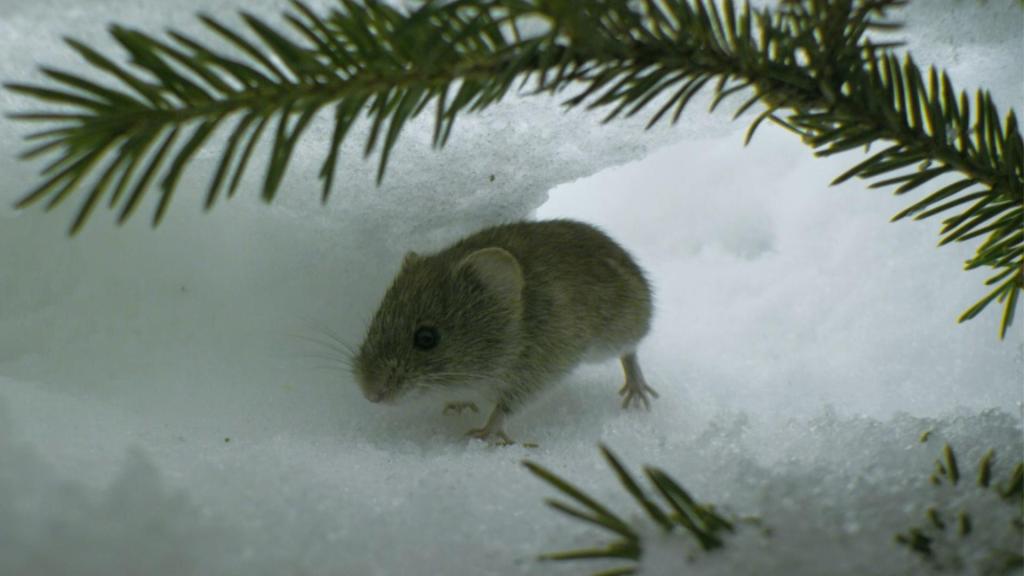
The subnivean layer, or zone, is the concealed ecotone that forms in winter, uniting and encapsulating the boundary between the earth’s surface and the foundation of a snowpack. The subnivean zone can form under as little as ten inches of snow pack, and provides an insulated environment for wintertime productivity and flourishing trophic connectivity. This snow-bound abode to all levels of the food chain is a seasonal ecosystem in California, and occurs mostly in the alpine regions as well as our northern and eastern basins and plateaus.
Structure, Physical Mechanics, and Insulating Factors
When the snowpack accumulates and a subnivean layer forms, the zone between the ground and the bottom of the snow pack can retain an even temperature of 32° F/0 C°, or slightly above, while the open-air temperature is much colder. The temperature of the ground/soil is warmer than the snow, and as the layers of snowfall build up on the ground this heat is trapped and radiates upward. This causes water vapor in the snow to rise, cool, and finally form an insulating roof of denser snow and ice higher up in the snow pack.
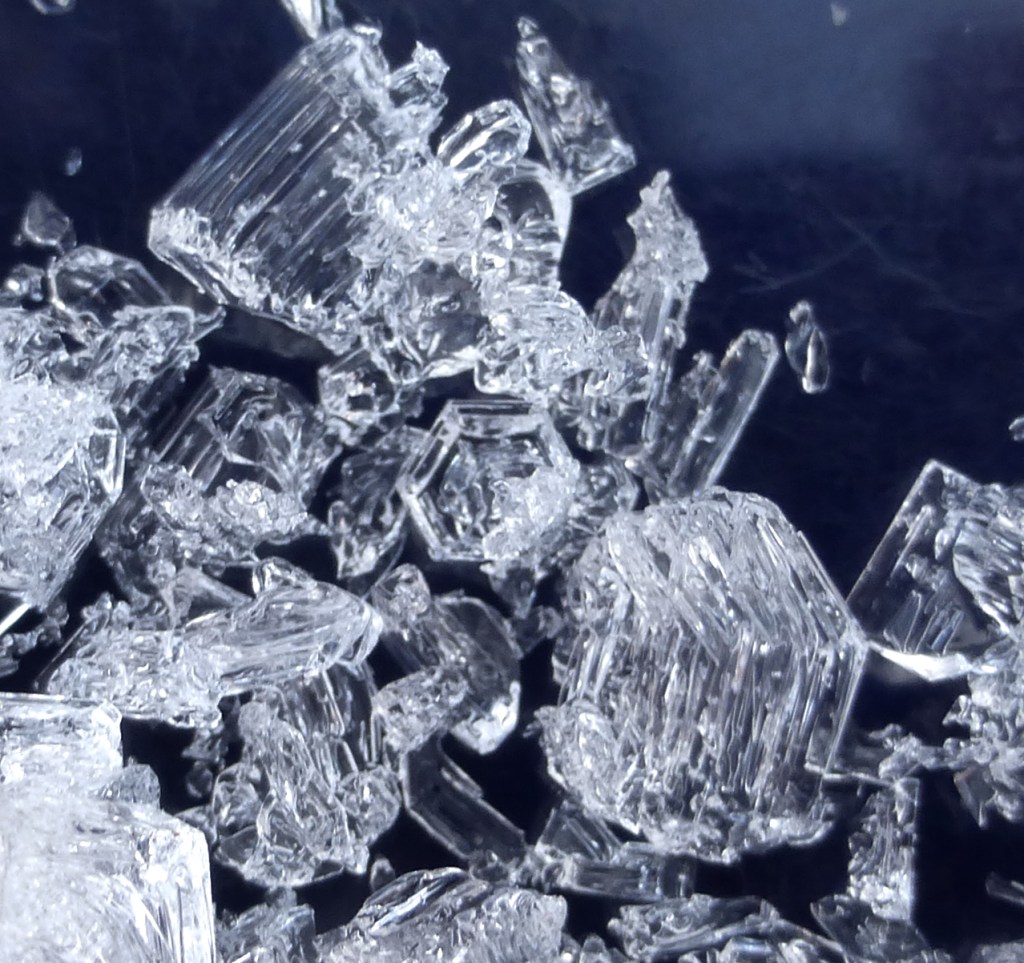
As this vapor transfer process is occurring a strong temperature gradient is forming in the snow pack (warmer to colder traveling upward) and the snow crystals closest to the ground are “drying out” and expanding to form a loose and light layer of large crystals called depth hoar. This snowpack base of depth hoar provides space for habitation and passage of small animals and other life forms. This transformation of the structure of the snowpack is called constructive or temperature gradient metamorphism, and this facilitates the thermal formation of the subnivean zone.
The subnivean zone can also form mechanically, when a snowpack accumulates on top of a supporting layer of plant debris or geologic matter close to the ground. This too can form a warmer insulated zone, providing protected space for passage and habitation.
Soil, Plants, and Nutrient Cycling in the Subnivean
Sunlight can penetrate through several feet of snow, and facilitate photosynthesis of subnivean-adapted plants, and other photosynthetic organisms. Vascular plants cannot photosynthesize if there tissue is frozen, however. In addition to sufficient light for photosynthesis, a warmer, insulated environment, and elevated levels of CO2 also support plant life in the subnivean zone.
This plant growth and material is the basis of the food web of the subnivean zone, and is vital to the functioning of the ecosystem and survival of the mammals, insects, microbes, and predators alike. Overwintering rodents and large grazers survive on the plants and seeds under the snowpack, and in turn the fecal matter of the subnivean animals and decomposition of the plant material feeds the bacteria and cycles nutrients back through the soil, to stimulate the system and further plant growth.
Cold and snow-adapted microbes and bacteria flourish in the winter soils, breaking down detritus and cycling nutrients back in to the system by releasing nitrogen when they die-off in the spring.
Studies in the Sierra-Nevada have revealed large, diverse and distinct microbial communities existing in various layers of the snowpack, suggesting that nitrogen fixation is an integral process and function of these cold adapted bacteria, and of the Sierra snowpack. (References below)
Fungus, Algae, and Lichen in the Subnivean
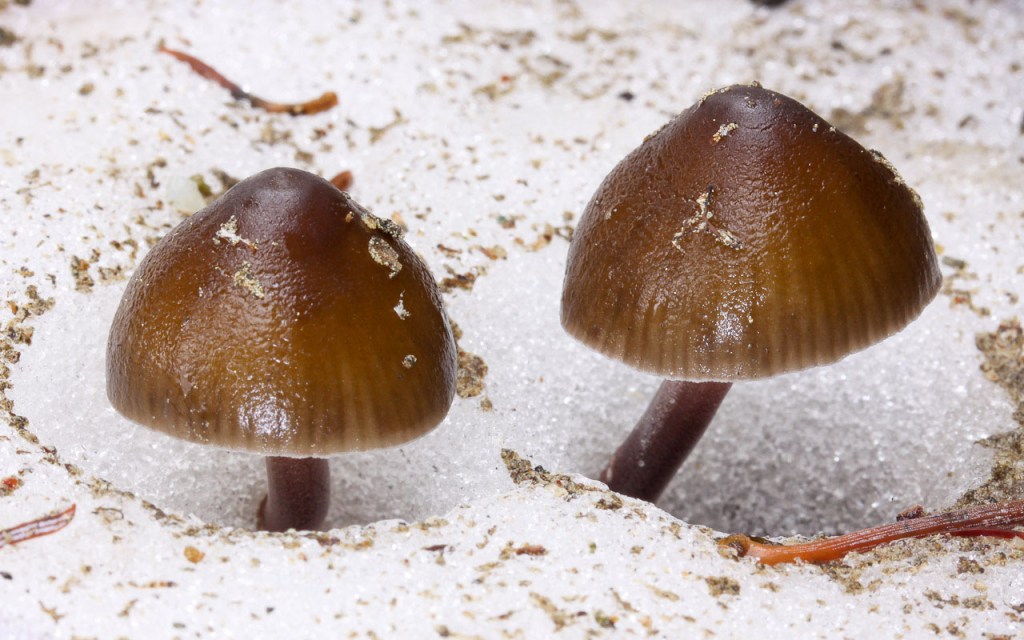
Like bacteria, cold-adapted algae and fungus communities are microbes also found in cryogeomorphic landscapes and habitats, such as the subnivean zone. These microorganisms can self-preserve through desiccation when subject to drying, acidic environments, and high temperatures; but when water is available they can flourish, even in the snow and ice. Algae and fungus (and bacteria) are the integral components of decomposition, nutrient cycling, respiration, accumulation of metals, and primary production within the cryosphere.
The dark, humid, and insulating environment of the lower snow pack and subnivean zone fosters the growth of snow molds (psychrophilic fungi). These fungi predate on plant material, and transfer nutrients to microbes. A diverse fungal community, including basidiomycetous yeasts and chytridiomycota fungi, are found within snow packs. These fungi communities are often associated with colonies of psychrophilic snow algae, indicating they may be dependent on or sharing nutrients with the algae.
Lichens are also found in the subnivean zone, and they are able to photosynthesize at much lower temperatures and water potential levels than plants. However, photosynthesis in snow-adapted lichens can be adversely affected under direct sunlight.
Insects and Arthropods
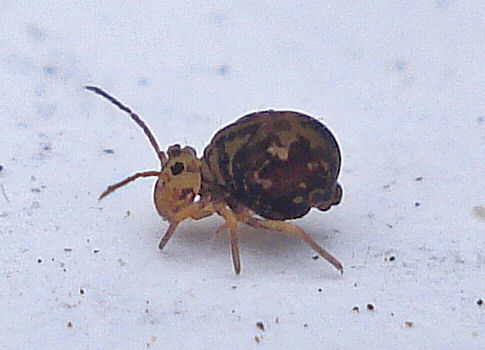
Insects and arthropods, such as Hippodamia beetles, and Lady Beetles (Coleomegilla maculate), overwinter in the subnivean zone, and are partially active in the winter months in this environment. Arthropod populations from the orders Collembola, Coleoptera, Acari and Araneae occur in a variety of subnivean zones within varying plant communities, and are often found to be active in early and mid-winter, thus contributing to decomposition, nutrient cycling, and as a food source for small mammals within the subnivean zone.
Springtails (Collembola) are common winter-adapted arthropods associated with snow packs and the subnivean zone. Their winter metabolisms and feeding ecology have been studied to reveal snow pack cyanobacteria as the major food source for most species.
Small Mammals
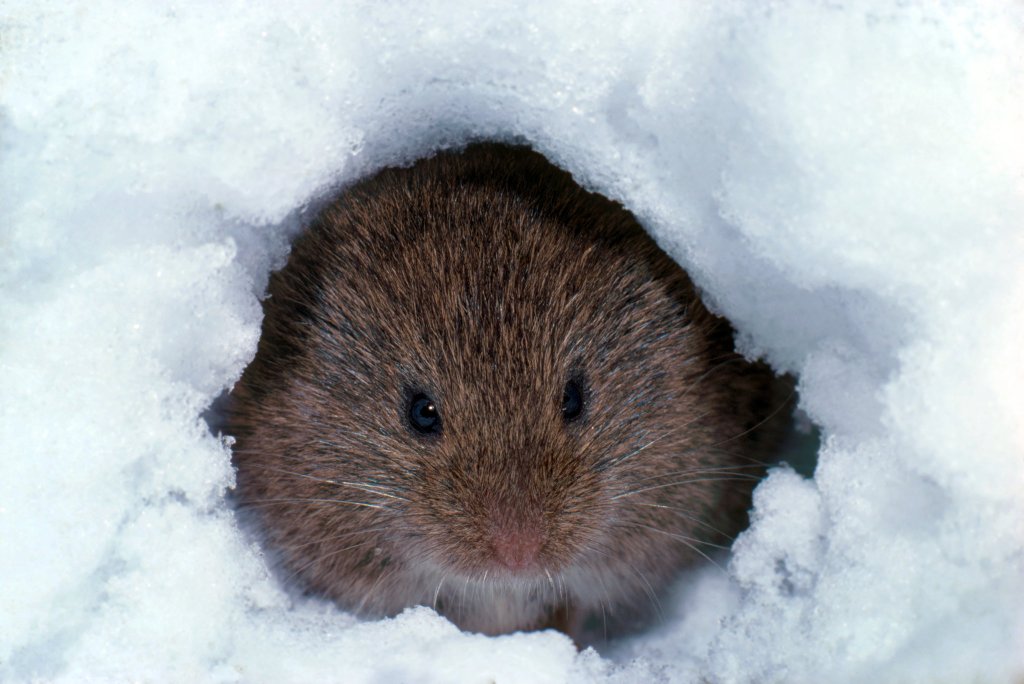
The charismatic stars of the subnivean show are definitely the rodents and small mammals that call the zone home. Small mammal species of the subnivean zone either hibernate (chipmunks/Tamias spp); enter partial hibernation and states of periodic torpor between activity (Family: Muridae; deer mouse Peromyscus maniculatus); or remain active throughout the winter within the subnivean zone (shrews/Sorex spp, and voles/Microtus spp). The insulating layer of depth hoar and snow pack are vital to their functioning and survival, as smaller mammals cannot maintain body heat to withstand exposed winter temperatures and wind chill like large mammals can.
Voles and other non-hibernators survive the winter in the subnivean zone by foraging for plant materials, seeds, bark, and insects; by huddling together to generate warmth; and by constructing extensive networks of tunnels for shelter, to locate and cache food stores, and to breed and reproduce in throughout the winter.
Predators
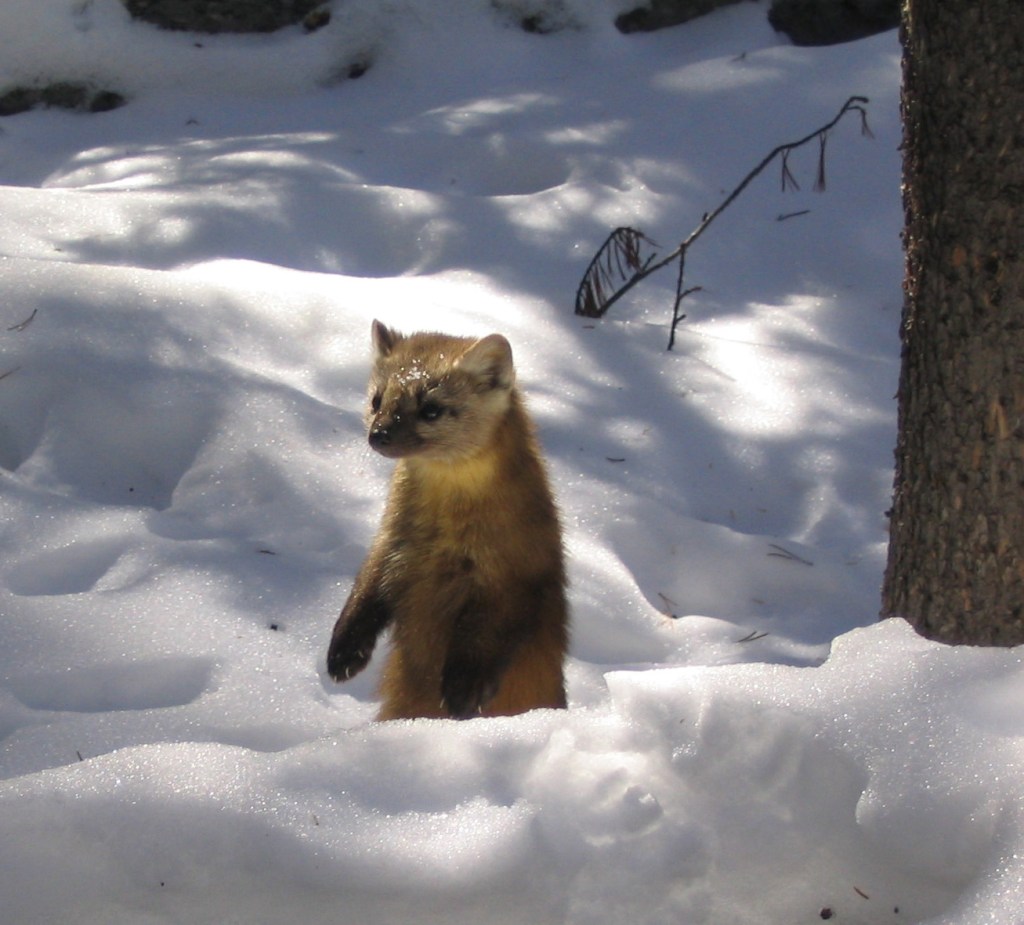
A community of snow-specialist hunters has evolved to rely on the winter abundance of small mammals and rodents that comprise the majority of the subnivean fauna. Throughout the western US and California these include Martens (Martes americana), Fisher (Pekania pennant); weasels (Mustela frenata and richardsoni); Coyote (Canis latrans); fox species; and Great Gray Owl (Strix nebulosa), among others.
Martens and weasels utilize the subnivean zone for shelter and for rest, as well as to hunt; and they are small enough to directly enter the subnivean through burrows and tunnels of their Rodentia prey. Martens studied in the Sierra-Nevada most often accessed the subnivean zone via woody plant debris, snags and logs; and their preferred winter rest sites were cavities in stumps completely subsumed by the snow pack.
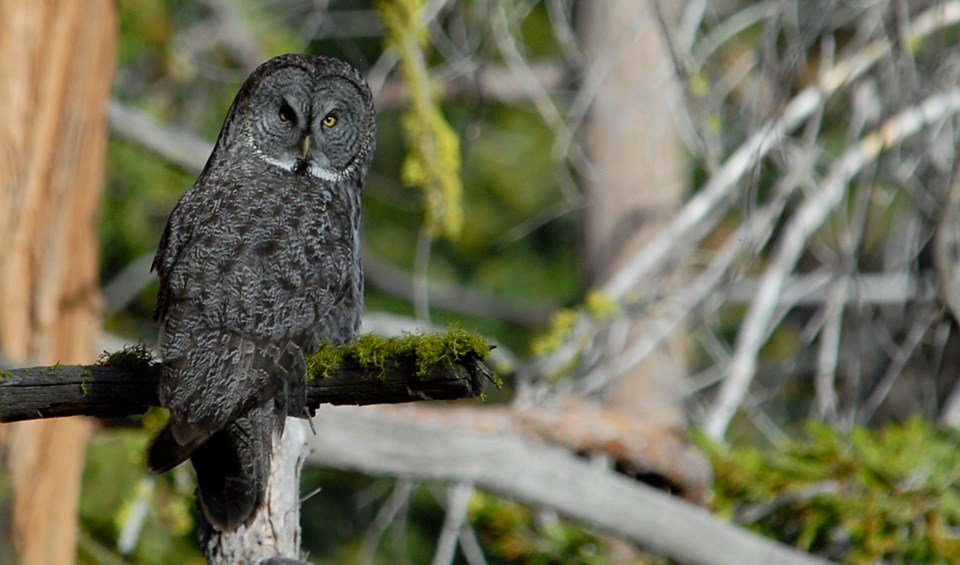
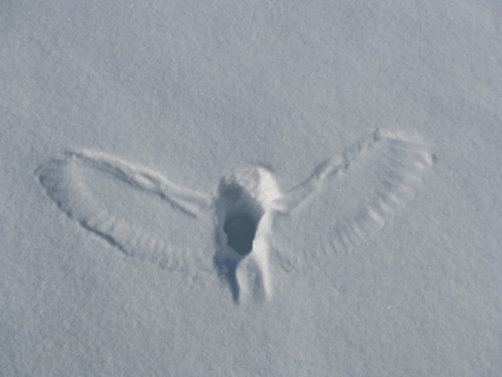
The most spectacular hunter of the subnivean zone has to be the Great Gray Owl. Unusual for an owl, the Great Gray is a diurnal predator (as well as nocturnal), and locates its prey by ear, listening to pinpoint the location of a mouse or vole as it skittles beneath the snow pack. Once targeted, the owl careens into the snow bank with full frontal force, to blindly snatch its prey from below.
Highly specialized for snow pack hunting, the Great Gray owl has evolved the largest “facial disc” of any owl, which aids in detection of low frequency sounds from beneath the snow. They have also evolved wings with the most specialized adaptations for silent flight of any bird, in order to facilitate silent hovering directly above prey, which allows for the least attenuation and refraction while listening with those large facial discs!
Human Impacts and Conservation Implications
Threats to the subnivean zone include compaction of the subnivean layer by recreational activities, and snowmobiles in particular; as well as multiple consequences of climate change, including warmer winters bringing increased precipitation to cold climates which increases the density of the snow pack and actually decreases insulating properties along with temperatures in the subnivean zone.
References
Brown, S. et al. 2015. “Fungi and Algae Co-Occur in Snow: An Issue of Shared Habitat or Algal Facilitation of Heterotrophs?” Arctic, Antarctic, and Alpine Research 729-749
Carey, C.J., et al. 2018 “Microbial Community Structure of Subalpine Snow in the Sierra Nevada, California.” Institute for Arctic and Alpine Research 48(4):685-701
Chikako K., et al. 2021. “A model system for studying plant–microbe interactions under snow.” Plant Physiology 185(4): 1489–1494
Clark CJ, et al. 2022. “Great Gray Owls hunting voles under snow hover to defeat an acoustic mirage.” Proceeding of the Royal Society 289: 202-211.
Hoham, R.W., et al. 2000. “Snow Algae: The Effects of Chemical and Physical Factors on Their Life Cycles and Populations.” Journey to Diverse Microbial Worlds. Cellular Origin and Life in Extreme Habitats, vol 2. 131–145
Jones, H.G. et al. 1999. “The ecology of snow-covered systems: a brief overview of nutrient cycling and life in the cold.” Snow Hydrology 13:2135-2147.
Kappen, L. 1993. “Plant Activity under Snow and Ice, with Particular Reference to Lichens.” Arctic Institute of North America 46(4):297-302
Lee, R.E. 1980. “Physiological adaptations of coccinellidae to supranivean and subnivean hibernacula.” Journal of Insect Physiology 26(2):135-138
Schmidt, P. 1992. “Subnivean Arthropod Fauna of Southeastern Wyoming: Habitat and Seasonal Effects on Population Density.” The American Midland Naturalist 127(1):66-76
Spencer, W.D. 1987. “Seasonal rest site preferences of Pine Martens in Northern Sierra Nevada.” Journal of Wildlife Management 3:616-621.
Thomas, W.H., et al. 2018. “Sierra Nevada, California, U.S.A., Snow Algae: Snow Albedo Changes, Algal-Bacterial Interrelationships, and Ultraviolet Radiation Effects.” Arctic and Alpine Research 389-399
Wen, C. 2020. “Snow microhabitats provide food resources for winter-active Collembola.” Soil Biology and Biochemistry (143)107731
Wildlife Resource Consultants. 2004. “Winter Recreation Effects on the Subnivean Environment of Five Sierra Nevada Meadows.” DRAFT REPORT Prepared for: United States Forest Service
Discover more from Cal Geographic
Subscribe to get the latest posts sent to your email.
