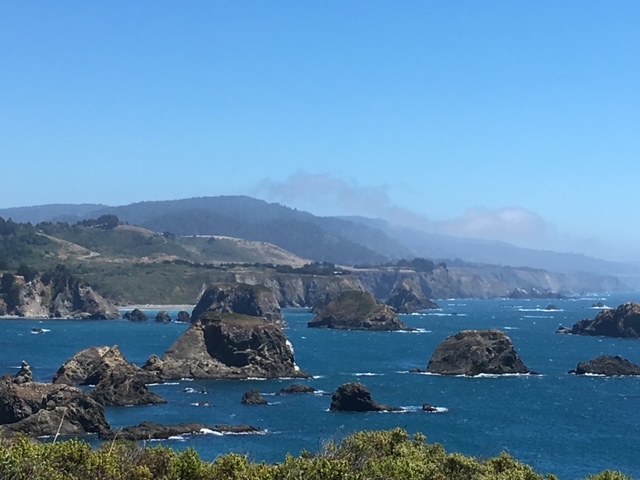
Steady tectonic uplift of the emergent active coastal margin, combined with the erosional forces of wave dynamics, produces a series, or flight, of stair-stepped geomorphic plateaus, known as marine terraces. Through dating methods such as uranium series dating and acid geochronology of bio- mineralogical materials, as well as cosmogenic radionuclide inventories, marine terraces have been aged to closely correlate with earth’s marine isotopic stages, and global sea level regressions and transgressions.
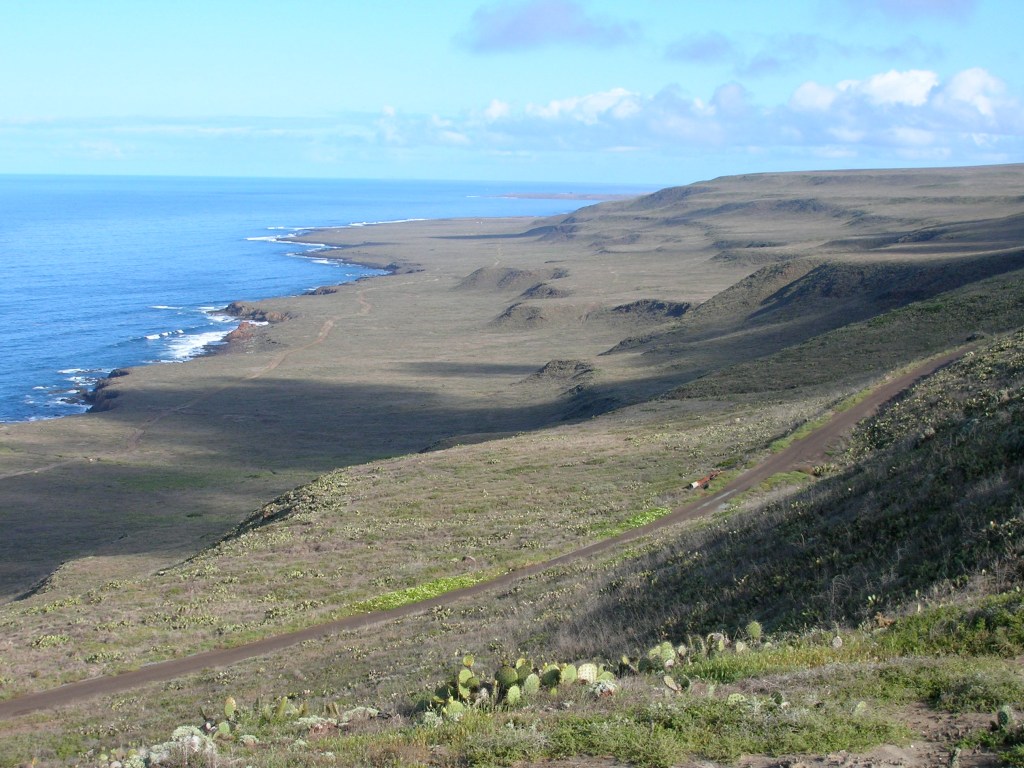
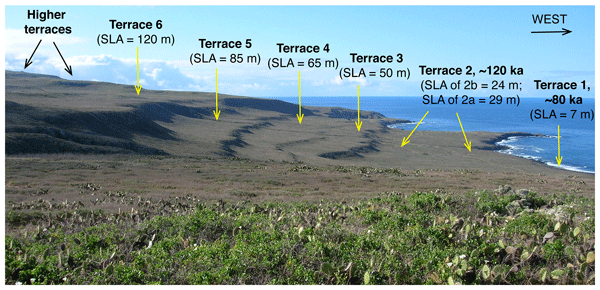
Distinct flights of marine terraces preserved along the California coast present wide-ranging elevational gradients and depth of terrace plain. Uniformly preserved marine terrace staircases of Greywacke bedrock overlain by younger sandstones and beach deposits along the Mendocino coast, are aged approximately at 100,000 year intervals, with the oldest and highest found a few miles inland from the shore at around 500,000 years old. As these terraces retreat and age the unique geomorphic setting and processes create rare and isolated ecosystems.
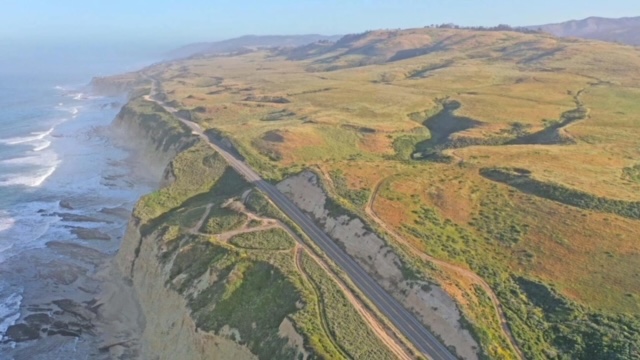
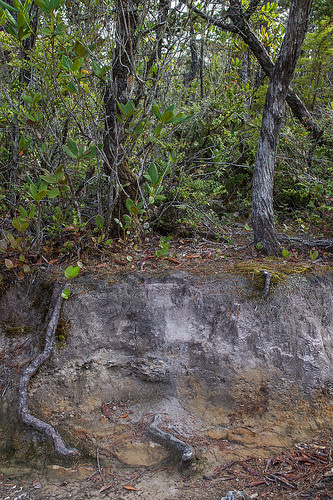
The persistently plateaued marine terrace landscape facilitates steady washing and leaching of thin top soils, which develops a subterranean hardpan underlying extremely acidic, nutrient-poor and saturated podzols. This geomorphic evolution in turn fosters an endemic ecosystem bolstered by hardy plant species adapted to survive on the nutrient poor soils, known as the Pygmy Forest. Decomposing plant, fungal, and lichen matter from the forest further contributes to soil acidification (as well as nitrogen fixing properties), perpetuating the cycle of endemism and the stability of the ecosystem.
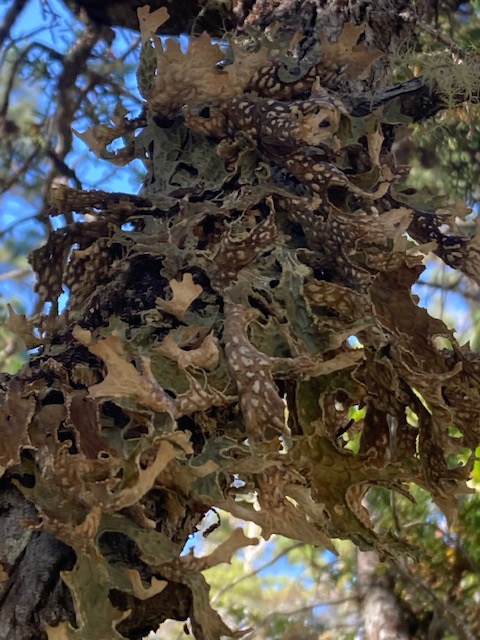
Lobaria pulminaria lichen – Fungi and algal relationship make up the top side of the lichen structure
Underside hosts pockets of cyanobacteria/blue-green algae, nitrogen-fixing bacteria. Thus, L. pulminaria is a cyanolichen, contributing nitrogen to the forest ecosystem upon decomposition, R. Forest
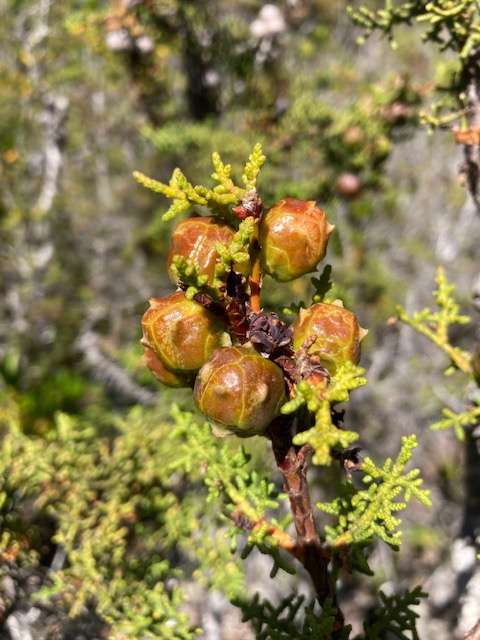
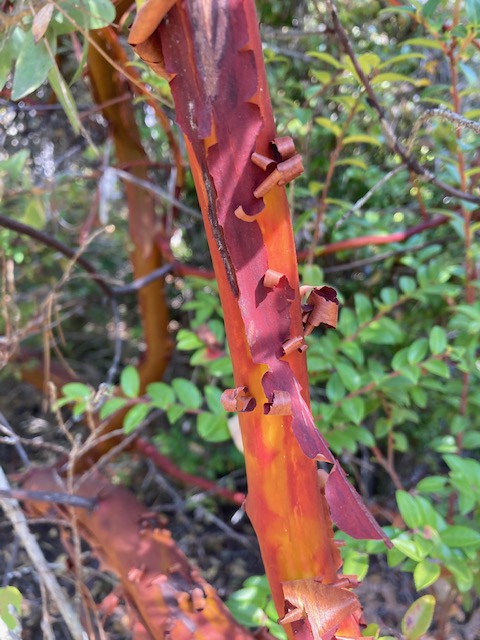
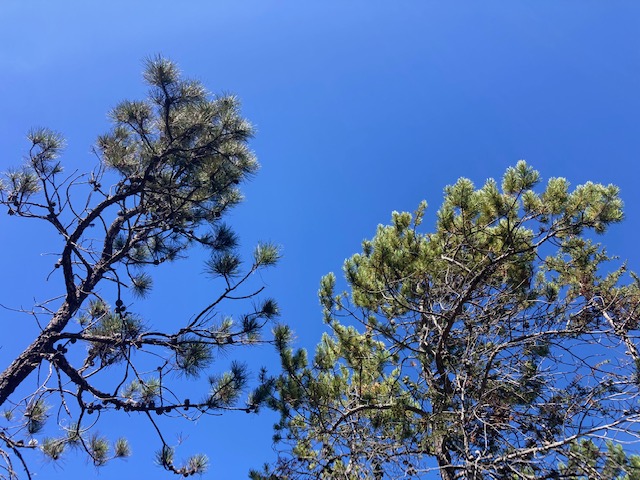
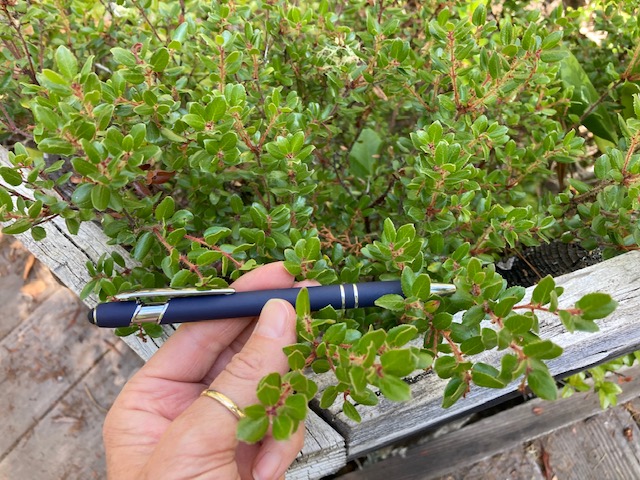
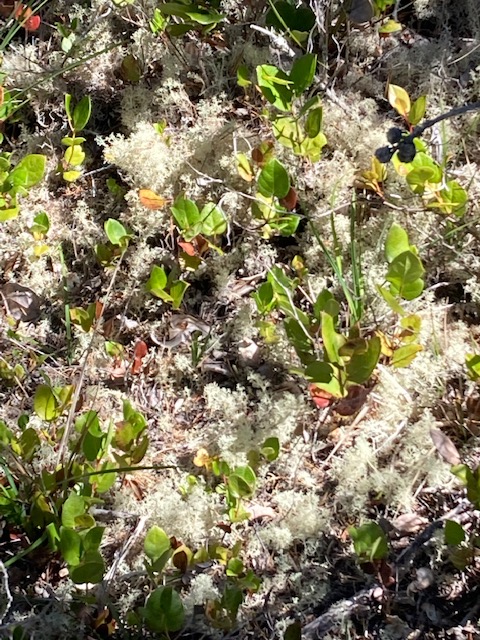
Found primarily along the upper terraces of coastal Mendocino and Sonoma counties, the distinct botanical assemblage of the Pygmy Forest includes standouts such as the Pygmy/Mendocino Cypress (Hesperocyparis pygmaea); Pygmy Manzanita (Arctostaphylos nummularia ssp. mendocinoensis); miniaturized Bolander’s Pine (Pinus contorta ssp. bolanderi); and a plethora of mosses and lichens, which also form fragile soil crust communities within the forest ecosystem.
Marine terrace flights have been recognized as valuable living laboratories from which to study the formation (pedogenisis) and weathering of soils, and the evolution of soil chronosequences. An idealized chronosequence found on a flight of marine terraces aged at intervals, will present a soil spectrum of high to low fertility/nutrient load with rising age, rising elevation, and longitudinal distance from the immediate coast.
R Forest
The lower and younger terraces host younger soils, retaining a higher level of nutrients from the geologic parent material, and a higher level of organic matter. As the terraces and soils age they are washed of nutrients, and slowly loose the primary minerals and rich organic matter, which are replaced by secondary nutrient-poor clay minerals. From coastal prairie, to Redwood forest, to Pygmy Forest each terrace step, with its distinct soil chemistry, supports a distinct plant community and ecosystem adapted to that soil.
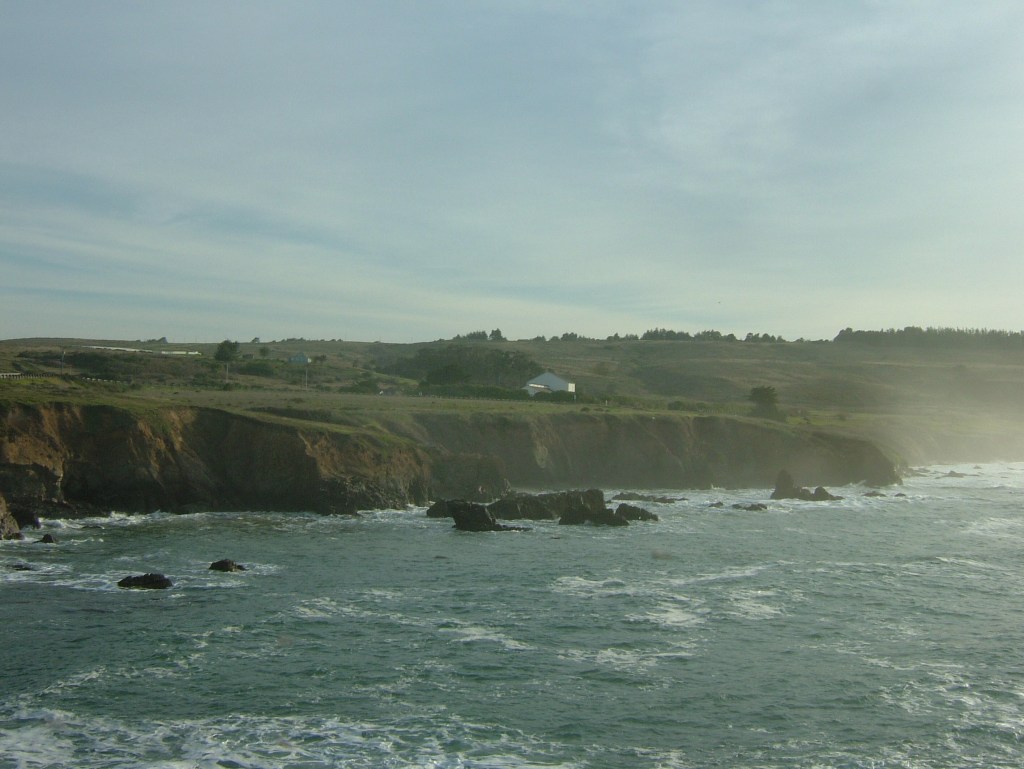
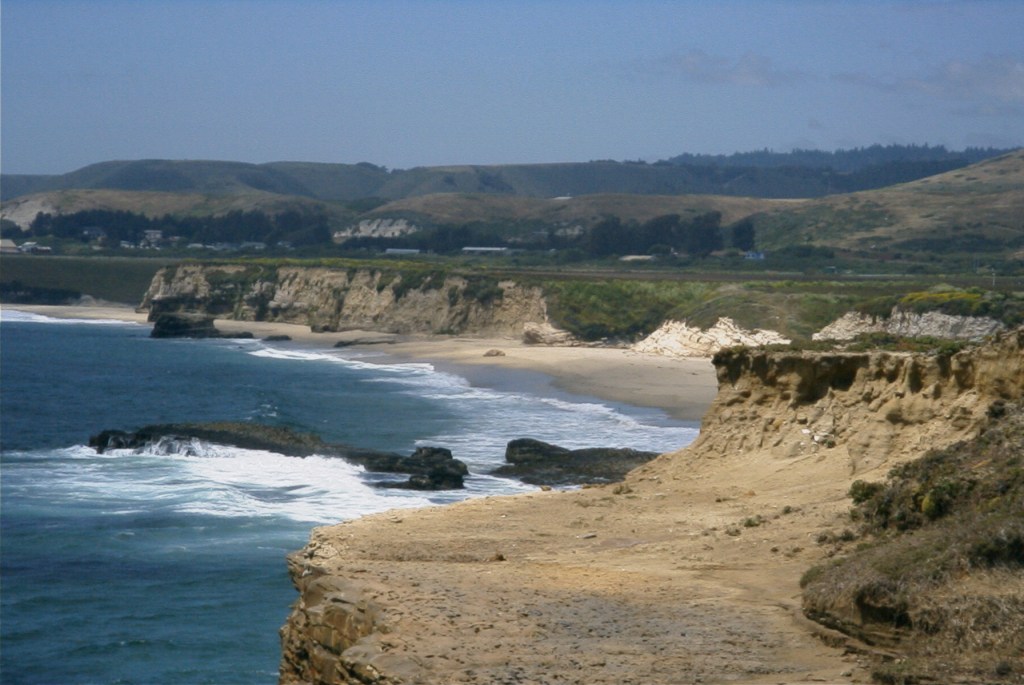
Studies concerning the soils of marine terraces in California have been conducted in Ventura, the Channel Islands, Santa Cruz, Davenport, Jughandle State Preserve in Mendocino County, and at the Mattole River outlet on the remote Humboldt County coast.
References
Cary, KL. 2019. “Physiology and community assembly in Mendocino’s Pygmy Forest.” Dissertation, UC Santa Cruz
Corey R. Lawrence, Corey, et al. 2021. “The trajectory of soil development and its relationship to soil carbon dynamics.” Geoderma 403:1-15
Harden, J.W., et al. 1986. “Soils Developed on Coastal and Fluvial Terraces near Ventura, California.” U.S. Geological Survey Bulletin 1590-B
Lawrence, C.R., et al. 2021. “Soil Biogeochemical Data from a Marine Terrace Soil Climo-Chronosequence Comparison.” U.S. Geological Survey data release
Munster , J., et al. “Physical Data of Soil Profiles Formed on Late Quaternary Marine Terraces near Santa Cruz, California.” US Geological Survey
Widrig, GM, et al. 2010. “A study of soil development on marine and stream terraces of Swanton Pacific Ranch, Davenport, CA.” Senior Project Cal Poly
Discover more from Cal Geographic
Subscribe to get the latest posts sent to your email.
