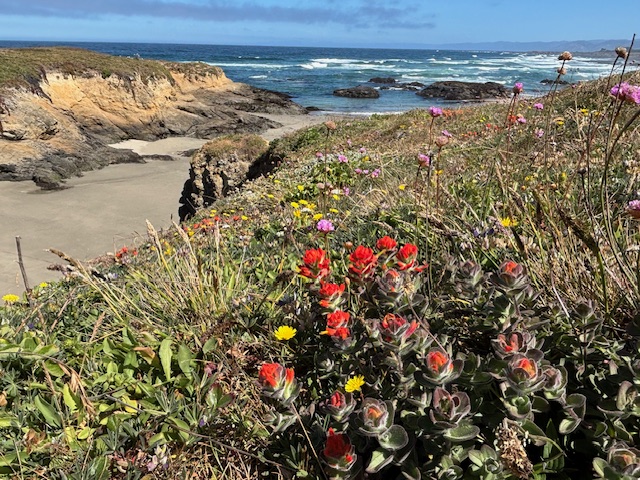
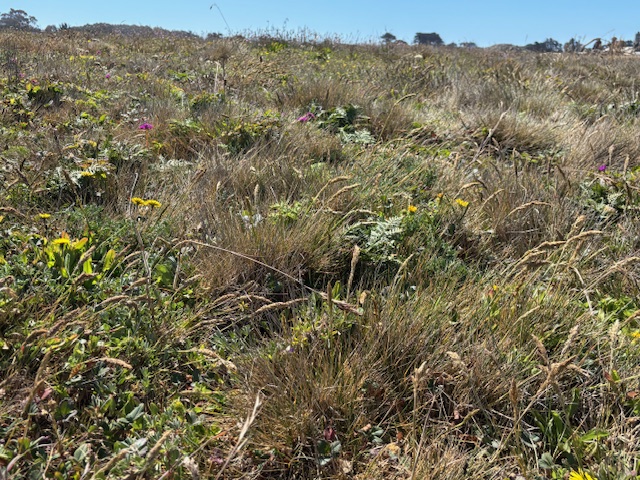
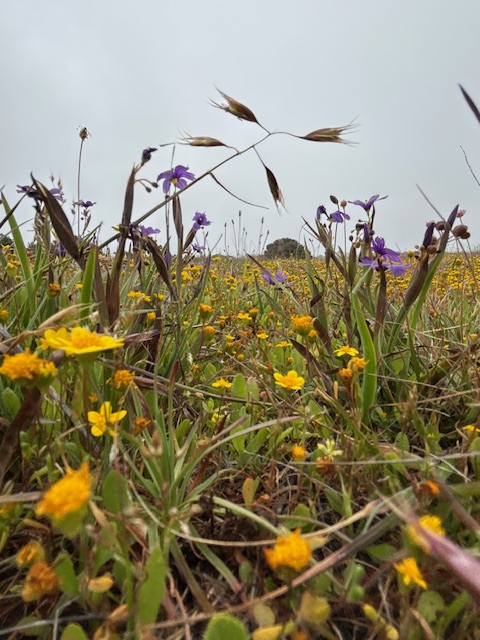
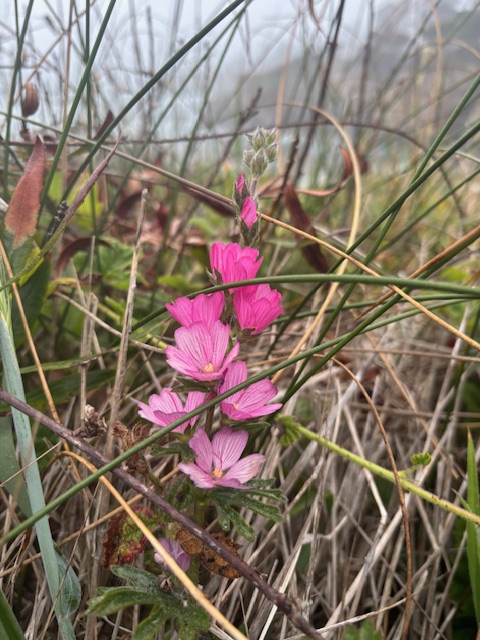
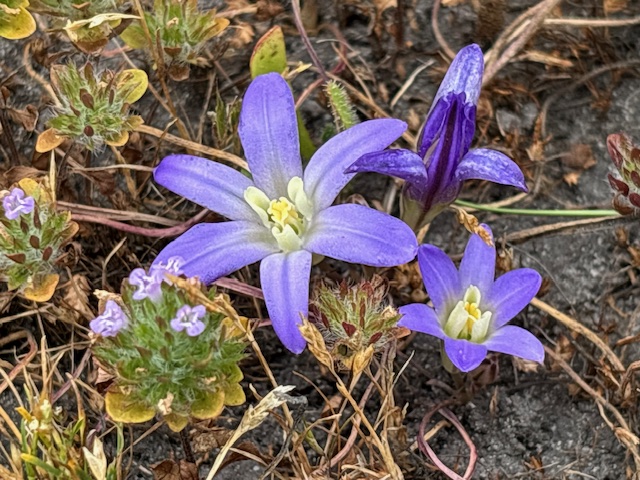
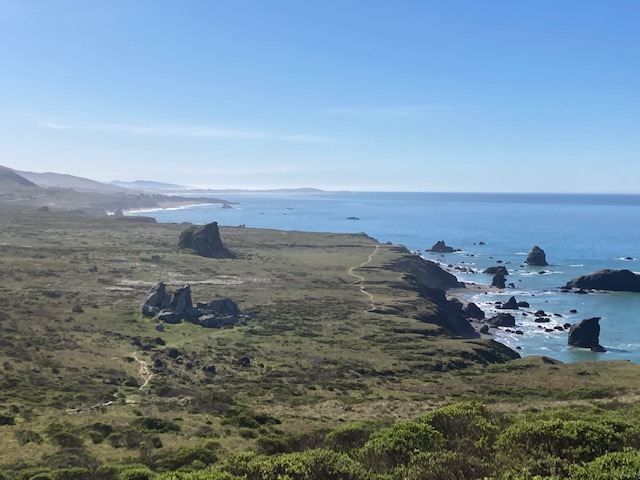
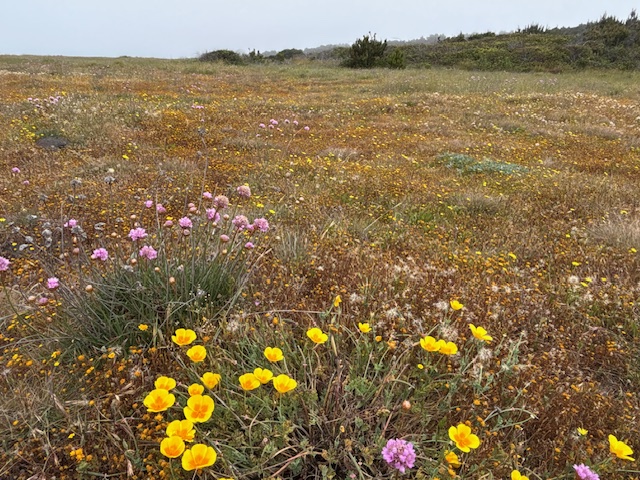
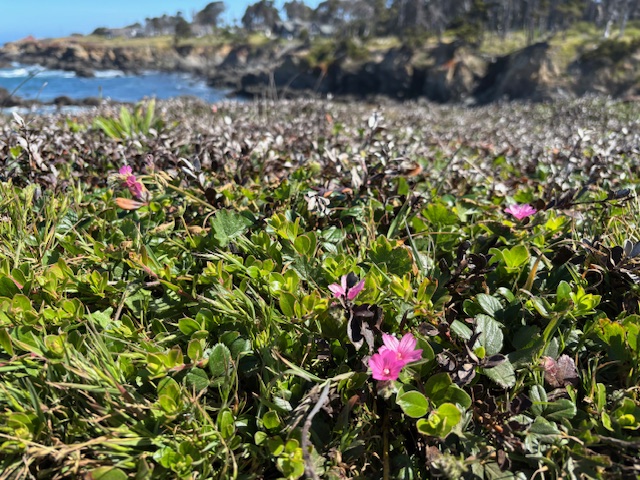
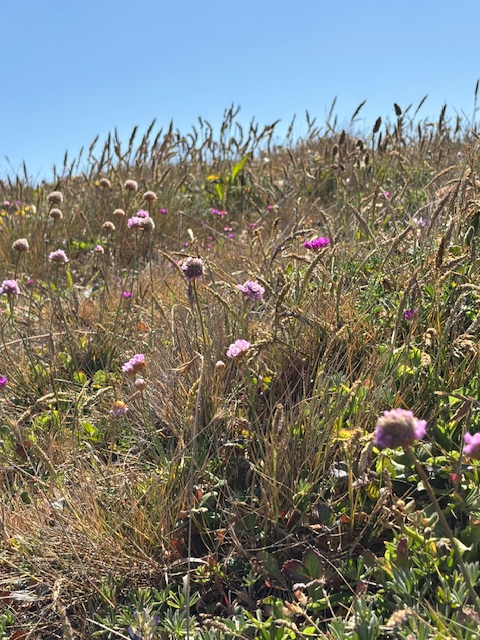
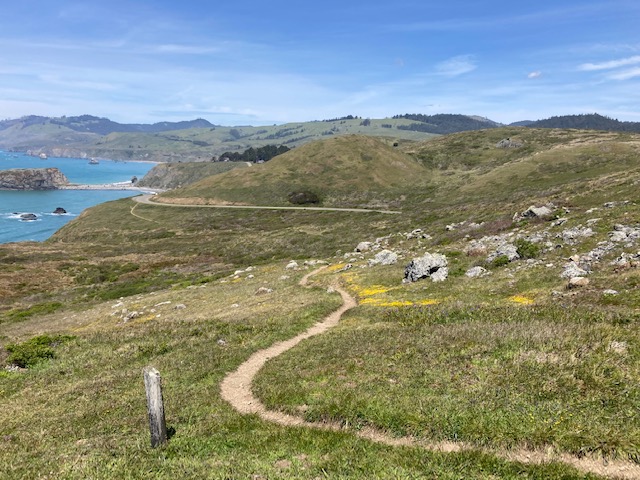
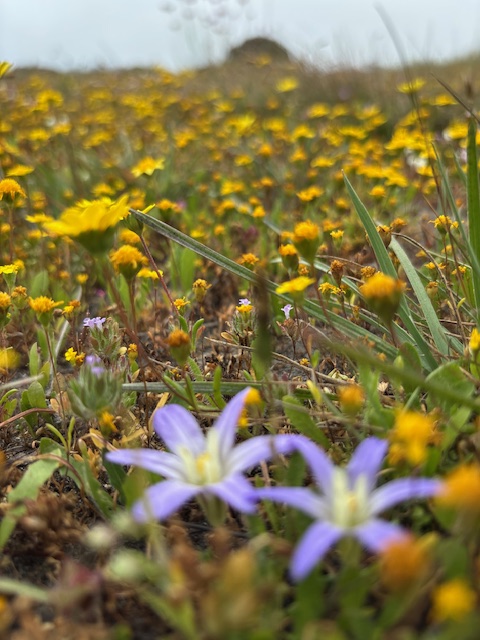
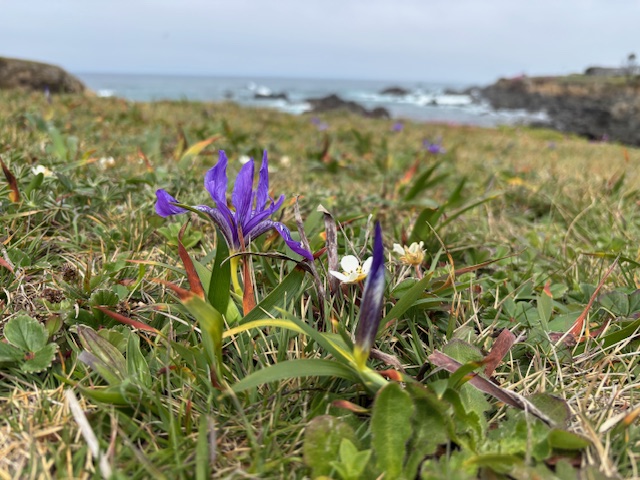
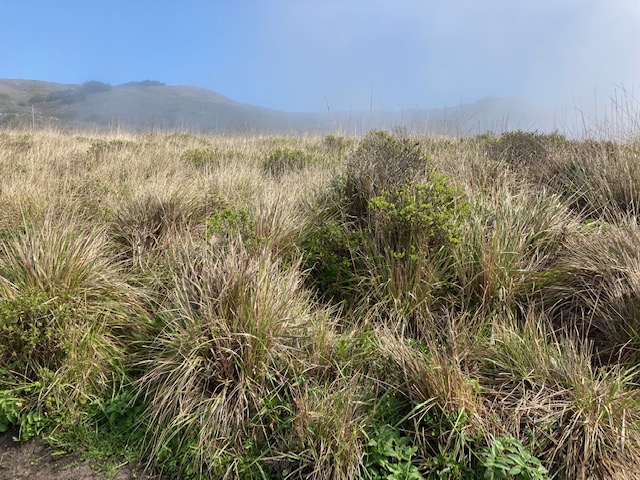
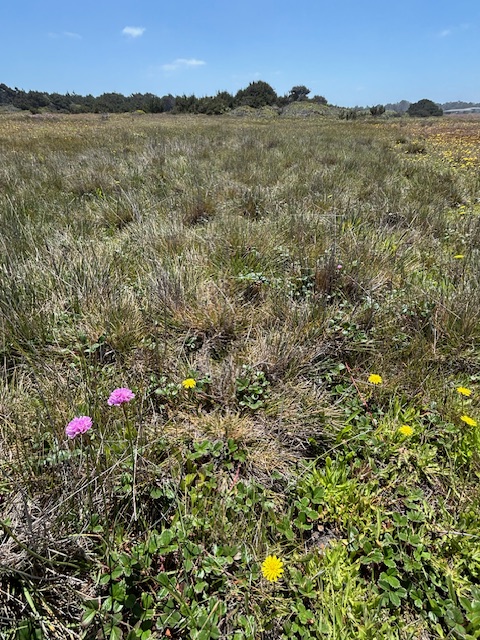
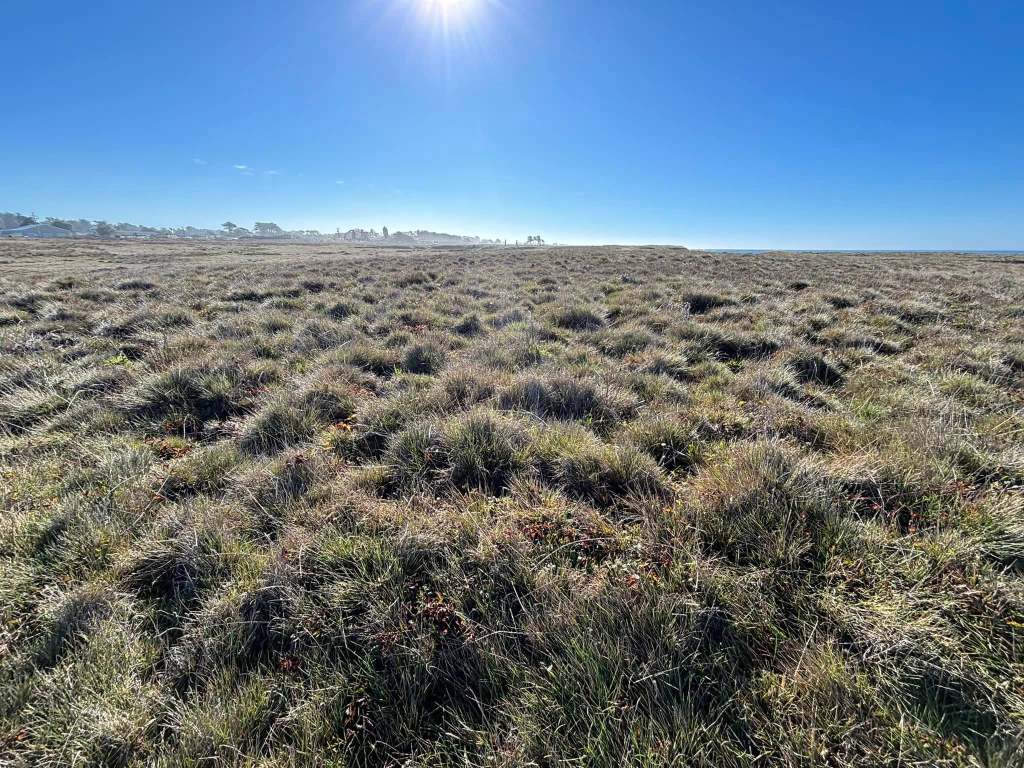
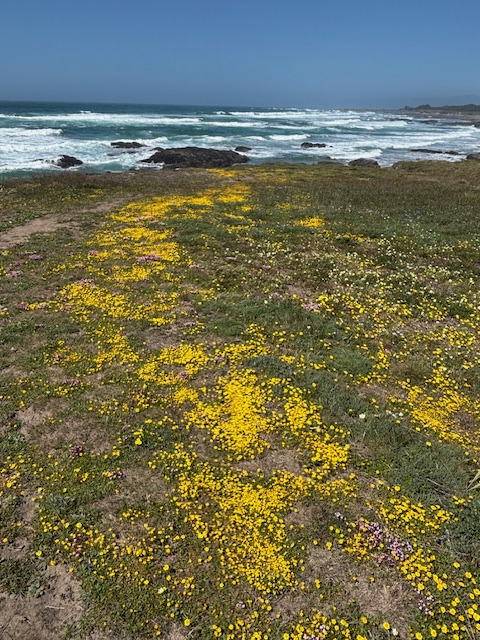
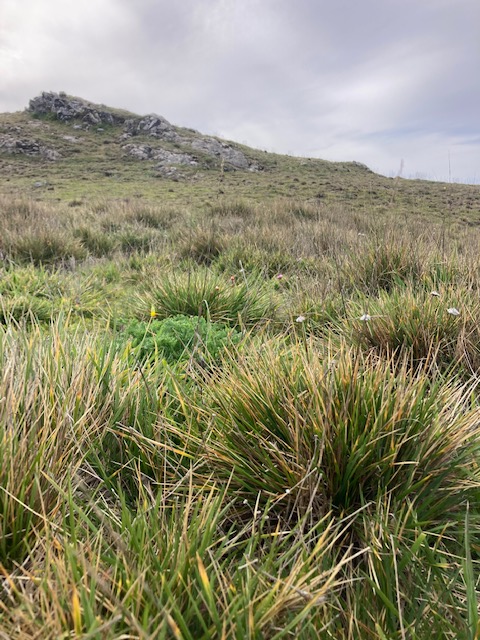
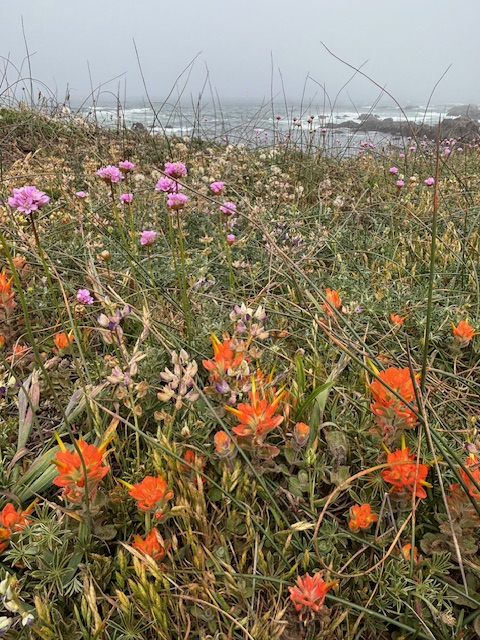
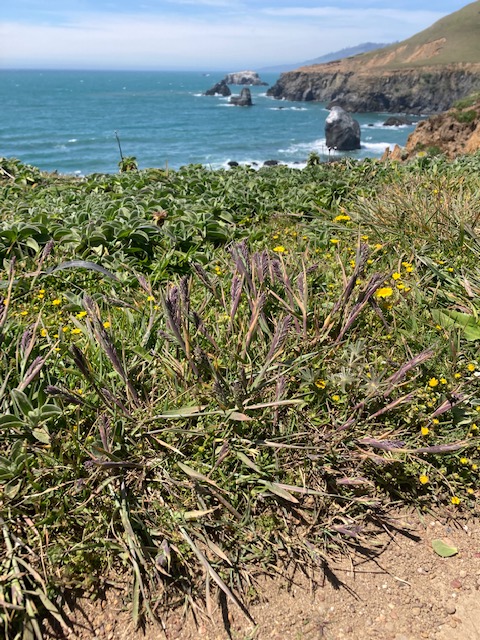
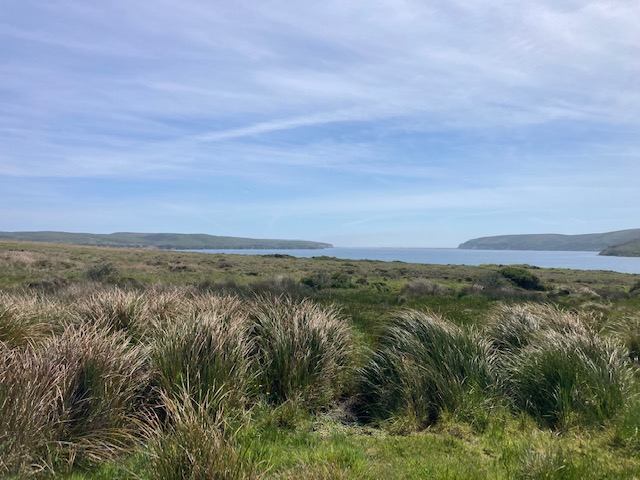
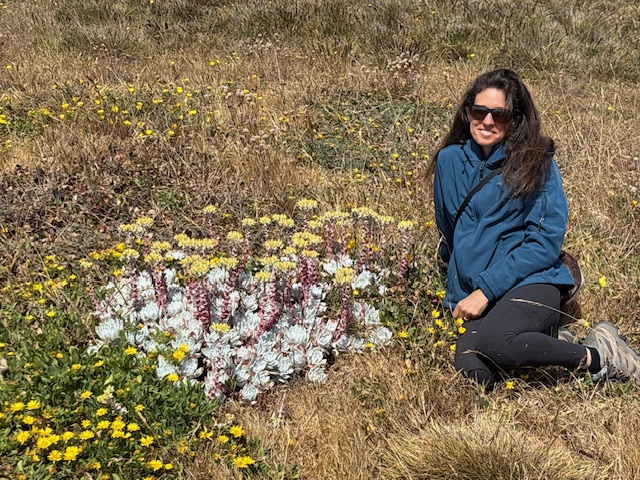
California’s coastal prairies form a fragile and patchy network of long-lived, low profile, species-rich herbaceous ecosystems unique to the climate, geology and geography of California’s coastal regions. A steadfast and dominant biological component of the Pleistocene, coastal prairies harbor keystone perennial grass species, along with a multitude of annual and perennial forbs and graminoids. Herbaceous flowering plant species (forbs/wildflowers) often outnumber grass species within the coastal prairie community types.

Geography
The range of California’s coastal grasslands historically spanned the entire coastline north to south. Broadly, coastal grasslands can be subdivided biogeographically into three groups: Northern Coastal prairie occurs patchily from the Oregon border to San Luis Obispo County; Southern Coastal grasslands (or prairies) extend southward to the Mexican border, and interspersed/overlapping these two ranges roughly from the Sonoma Coast to Point Conception are the coastal serpentine grasslands/prairies.
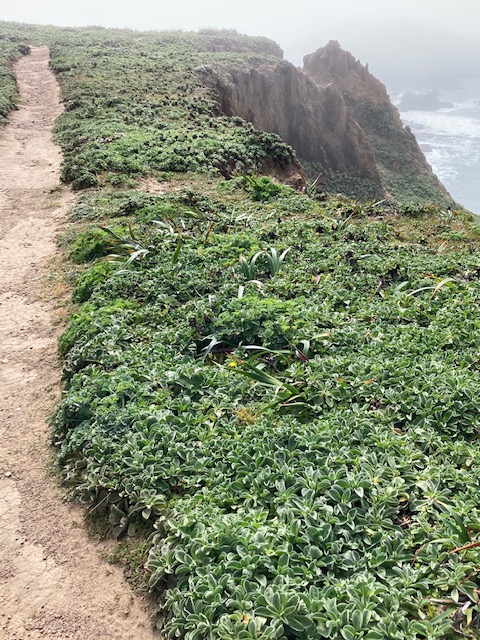
The bioregion for coastal prairies of California has variously been described as occurring to approximately 60 miles inland, and anywhere from 1000 to 3000 feet in elevation; occupying marine terraces, coastal slopes, bald hills, and ridges. While this is broad, we know it is also not the rule, due to the innumerable variables of California’s topography and climate.
It is accepted that California’s coastal prairies have evolved to rely on summer advection fog moisture, and this may account for the relative high diversity and perennial dominance of most coastal prairies (compared to other prairie types in California and the U.S.), with diversity and richness increasing northward as water availability increases.
California’s coastal prairies primarily occur in relation to coastal scrub alliances, and seasonal freshwater wetland systems, as well as within coastal woodlands and mixed evergreen forests.



Diversity
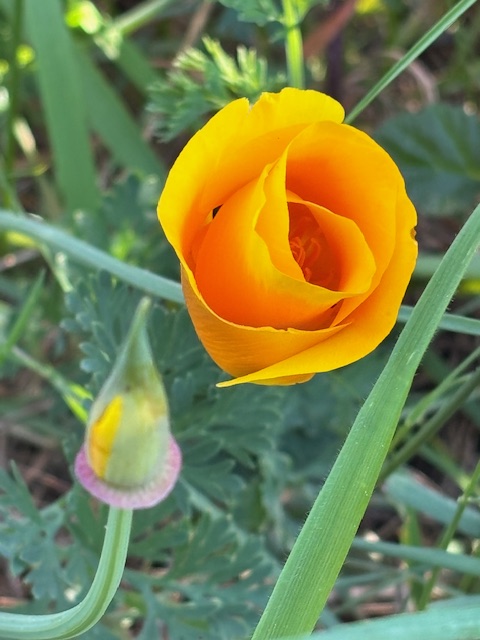
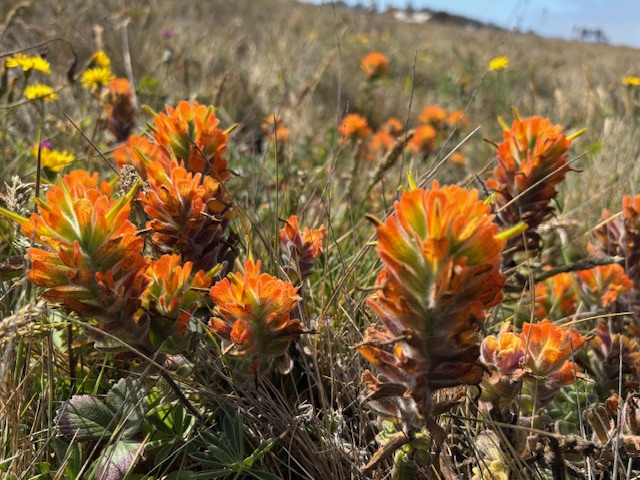
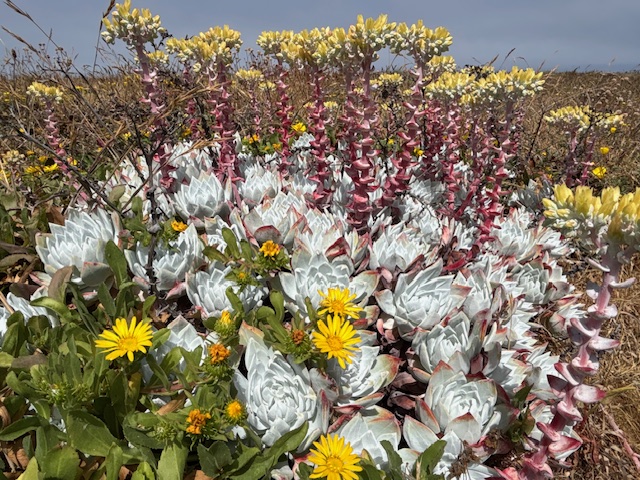
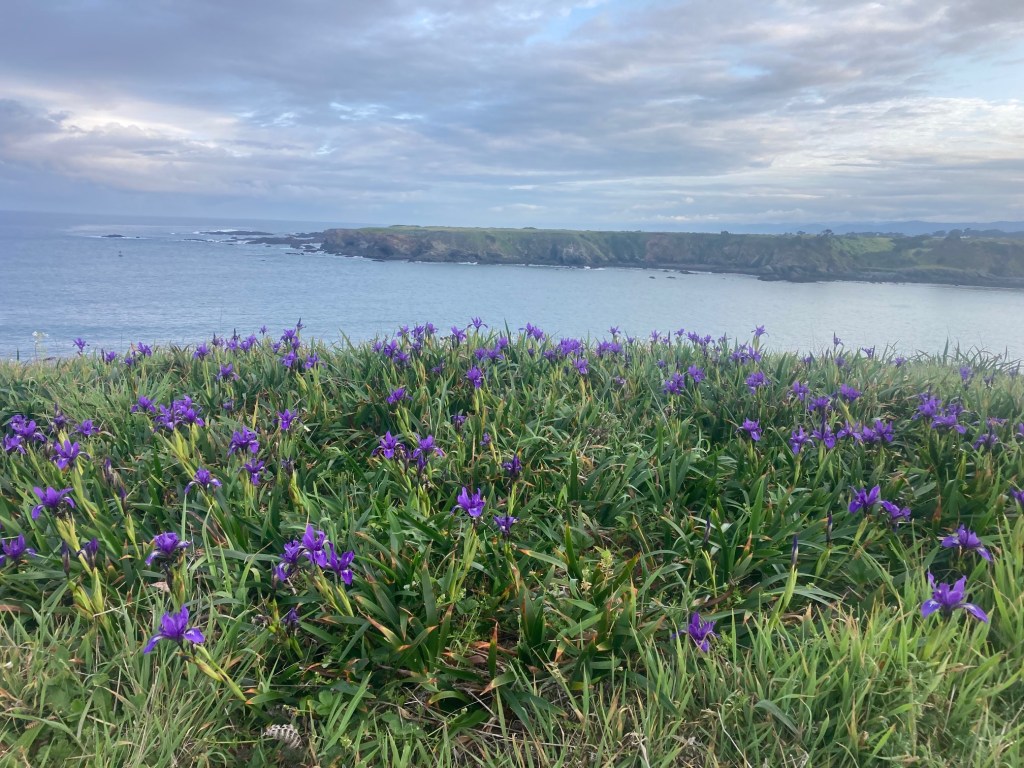
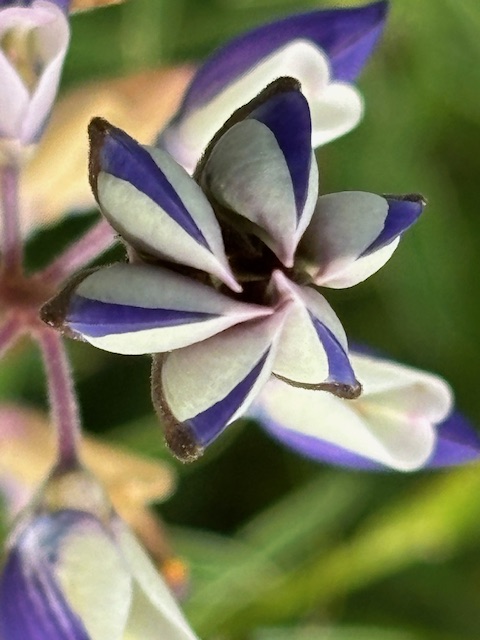
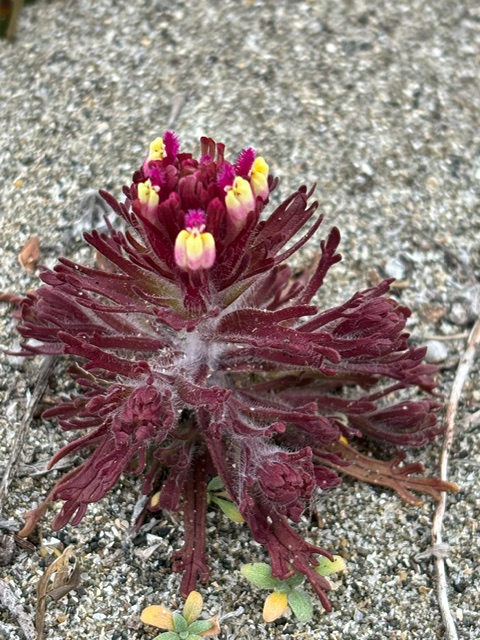
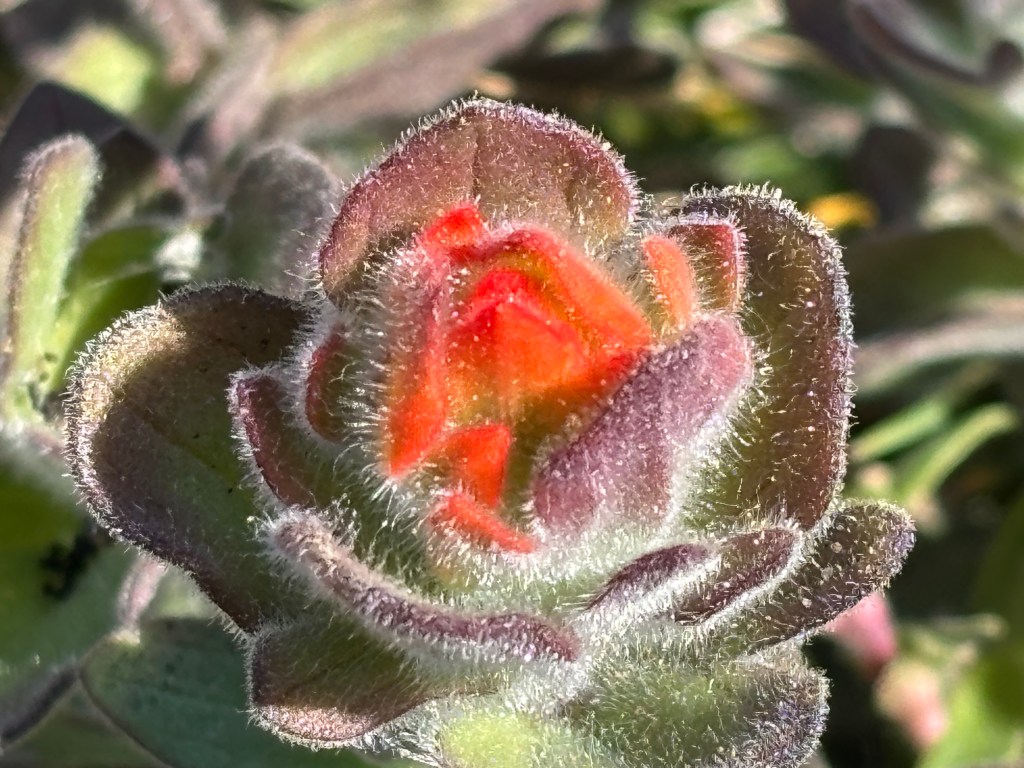
California’s coastal prairies are the most endangered and the most diverse (plant species diversity) of all grassland and prairie ecosystems in the U.S. At least 250 native species of forbs occur in our prairies, and over 300 species total, with more to be counted.
As an example in central California, coastal prairies in Marin and Sonoma Counties have been surveyed to reveal they hold 30%-50% of ALL plant diversity for that region.
In addition, California’s coastal prairies harbor at least 80 endemic plant species. (see links to plant lists and tables below)


Community Composition
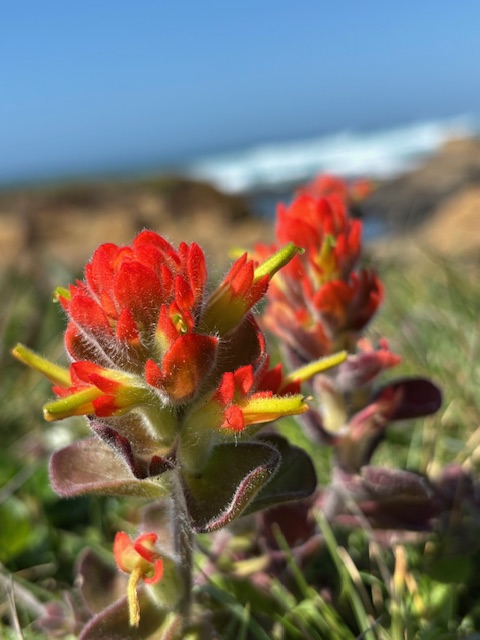
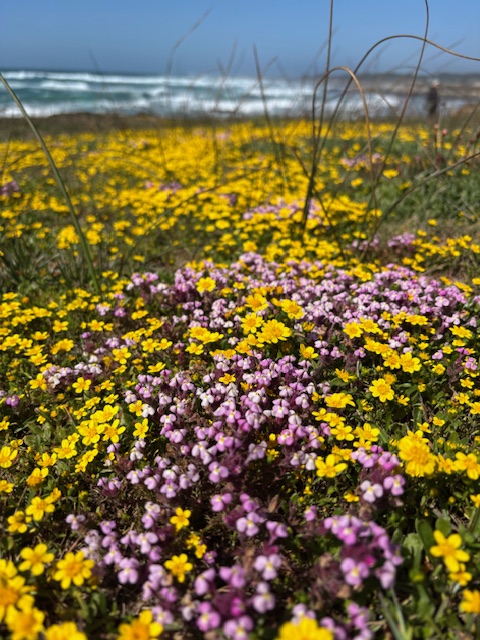
As with all things California biogeography, coastal prairie species composition is a mosaic that morphs, mixes, and varies widely from north to south with CA’s extreme annual moisture gradient. This has produced a spectrum of prairie-type assemblages and species associations too numerous to have been completely mapped or fully understood, as of yet.
In Marin and Sonoma counties alone, the Coastal Prairie Enhancement Feasibility Study has mapped over 34 alliances of coastal prairies, with more to go.
Classification of plant communities involves naming the alliance type for its dominant or keystone species. Coastal prairie alliances include Danthonia californica Herbaceous Alliance, Deschampsia cespitosa ssp. holciformis Herbaceous Alliance, etc.
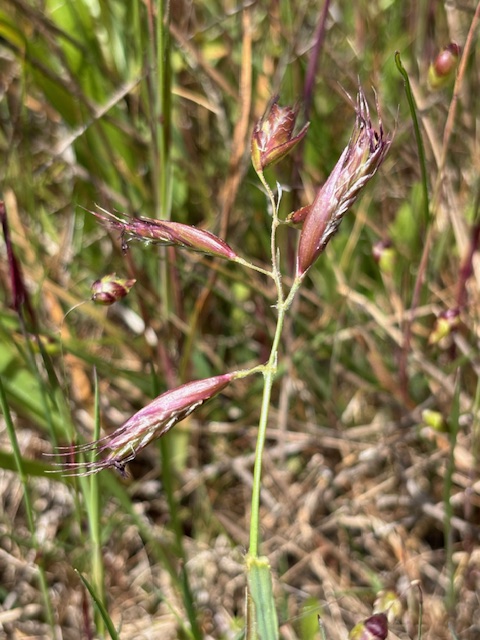
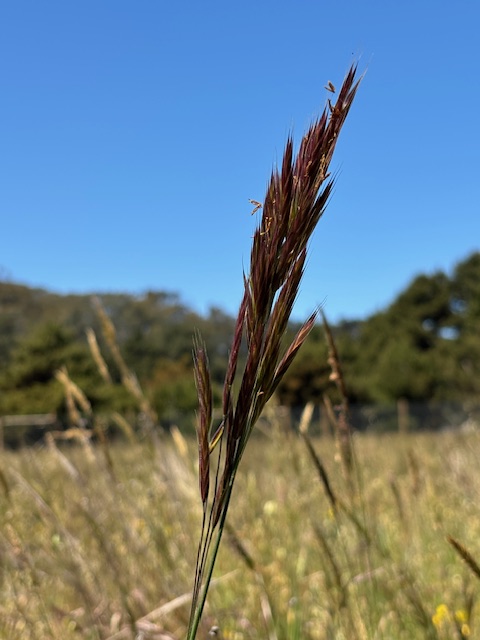
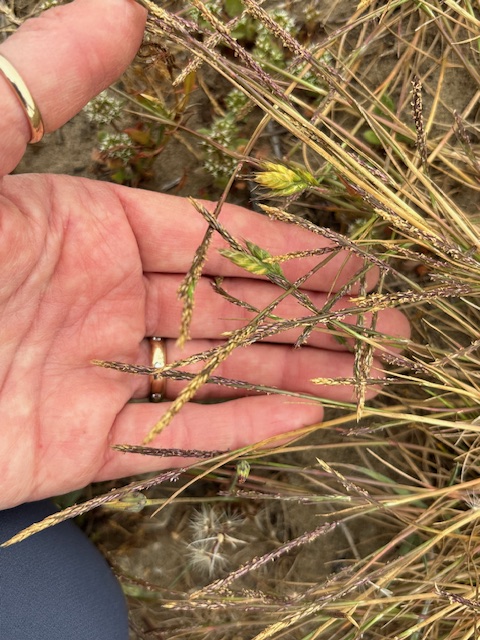
Keystone native perennial bunchgrass species of California’s coastal prairies include: Calamagrostis nutkaensis, Danthonia californica, Deschampsia cespitosa, Deschampsia cespitosa ssp. holciformis, Elymus glaucus, Festuca californica, Festuca idahoensis, Hordeum brachyantherum, and Stipa pulchra.



Soils
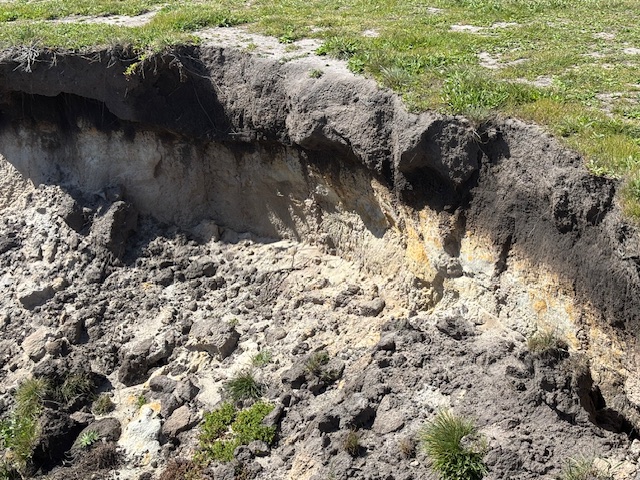
Many coastal prairie types, especially on marine terraces, occupy and produce strata of rich sandy-loamy soils with high organic content, known as mollisols.
Grasslands are one of earth’s top carbon sequestering biomes, storing a majority of the carbon into the soil as opposed to vegetative tissue. Coastal prairies soil organic material measures around 50% carbon.




Fauna
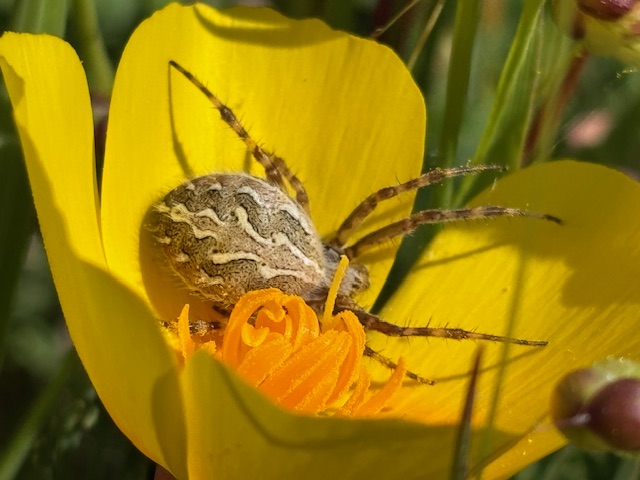
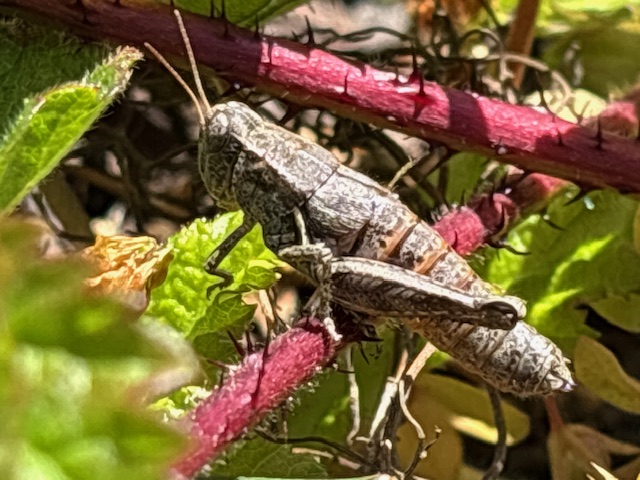
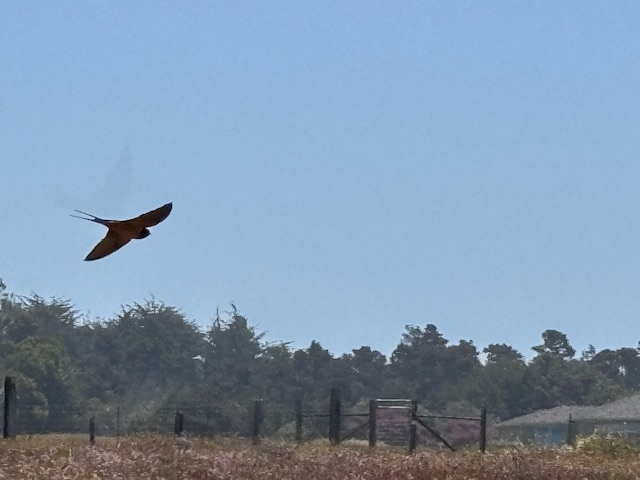
The high diversity of California’s coastal environment, geology, soils, and cold ocean summer advection fog regime, leads to high diversity of plant species, and thus high diversity of insects, invertebrates, and animals that have co-evolved and depend on the specifics of these geographically limited and ecologically diverse prairie ecosystems.
As such, there are high species rarity and extinction rates amongst these groups. Some current notable rare species associated with coastal prairies include, Ohlone tiger beetle (Cicindela ohlone); Pt. Arena mountain “beaver” (Aplodontia rufa nigra); American badger (Taxidea taxus); San Francisco garter snake (Thamnophis sirtalis ssp. Tetrataenia); California red-legged frog (Rana draytonii); and a large number of butterfly and moth species. Numerous other arthropods, invertebrates, soil organisms, algae, lichen, microbes, etc will never be counted or known.



Critically Endangered
California’s coastal prairies are critically endangered. Most of this ecosystem’s total cover, as well as regional alliance types have already been lost to human disturbance.
It is estimated that only 1%-2% of all California’s native grasslands exist today, and 25% of coastal prairies in particular have been lost to urbanization; the largest loss to human development of any habitat in the US.
California’s native grasslands have been listed as the eighth rarest ecosystem in the United States overall, and although coastal prairies are protected under the California Coastal Act, the dire fragility of this imperiled ecosystem is not popularly acknowledged or addressed within the State, and the coastal prairie continues to be exterminated by development and poor management.

Causes of Loss
Multiple human disturbances have contributed to the demise of most of California’s coastal prairies. Like all coastal and lowland habitats worldwide, coastal prairies compete with humans for the most desirable landscapes to inhabit, and grasslands pose little challenge to removal by humans as compared to woody or heavily forested environments.
Human-caused disturbances which have led to the destruction and demise of coastal prairies include: livestock grazing, urban development, introduction of exotic and invasive plant species (especially exotic invasive perennial grass species such as Holcus lanatus, Festuca arundinacea, Phalaris aquatica and others), agriculture, and fire suppression.
Additionally, the removal of native grazers and natural disturbance regimes from the environment, such as natural soil disturbance and thatch removal which the coastal prairie ecosystem depends on to survive and reproduce, has gravely affected the ability of the prairie to adapt and combat invasive species in the small areas that it is allowed to remain.


Conservation vs. Restoration
Like seasonal and vernal wetlands, native prairies and grasslands can never be replanted or restored to a completely natural state. It is impossible to replicate fully integrated and healthy native ecosystems, or full diversity of these environments. When they are lost they are lost.
Re-vegetation and especially off-site mitigation projects are ineffective and useless as credits in response to destruction of existing native coastal prairies. There are currently no proven restoration measures that succeed in true restoration of the prairie. The conservation, protection, and management of remaining native coastal prairies is imperative.
Restoration methods such as light grazing, mowing, burning in some cases, and then manually controlling for weeds can be effective in enhancing seed bank germination and native species diversity, to an extent, on disturbed native coastal prairies.
“Californians today tend to elevate the importance and uniqueness of dramatic landscapes with tall trees that are distant from large cities. As a result, nearby, soft, subtle grassland landscapes were long discounted, disregarded, and degraded. It is only in the past two decades that grassland vegetation has been seen as an important target for conservation and restoration activities, both of which require an understanding of the identity, location, and spatial relationships among natural grassland community types.” Keeler-Wolf, et al, 2007

Links to Further Resources
California Native Grasslands Association – Coastal Prairies: Resources, Ecology, Management
California Native Grasslands Association – How to Manage and Restore Coastal Prairie
Coastal Prairie ecology, geography, classifications, species lists, list of endemics, etc
Conservation Priorities for Coastal Prairie in Marin and Sonoma Counties
California Grasslands community classification, biogeography, threats
Calflora Coastal Prairie Plant Community list – includes rare and endemic species
California Native Plant Society Rare Plants Advanced Search Engine
State and Federally Listed Endangered, Threatened, and Rare Plants of California, 2025
Reference materials from workshop on Coastal Prairie Conservation and Management
Jenner Headlands Coastal Prairie Restoration
Intro to Coastal Prairies video, Santa Cruz Museum of Natural History
CNPS intern summary of surveying coastal prairie plots in Mendocino County

References
Barbour, Michael, T. Keeler-Wolf, and A Schoenherr. 2007. Terrestrial Vegetation of California. Berkeley: University of California Press.
Corbin, J.D. et al. 2005. “Summer water use by California coastal prairie grasses: fog, drought, and community composition.” Oecologia 145(4):511-21.
Fiesler E., et al. 2016 “Macro-invertebrate Biodiversity of a coastal prairie with vernal pool habitat.”Biodiversity Data Journal 4: e6732.
Holl, K.D., et al. 2010. “Reference site conditions for restoration of coastal prairie near Santa Cruz, CA, USA.” Report for the California Coastal Commission
Solomeshch, A., et al. 2011.“Mapping and classification of coastal prairie resources.” UC Davis Center for Spatial Technologies
Stromberg, M.R., et al. 2001.“Composition, invisibility, and diversity in coastal California grasslands.” Madrono 48(4): 236-252. CNGA – Coastal Prairies – Resources, Ecology, Management
California Native Grasslands Association – Coastal Prairies: Resources, Ecology, Management
all photos and text by Rowena Forest
Discover more from Cal Geographic
Subscribe to get the latest posts sent to your email.
