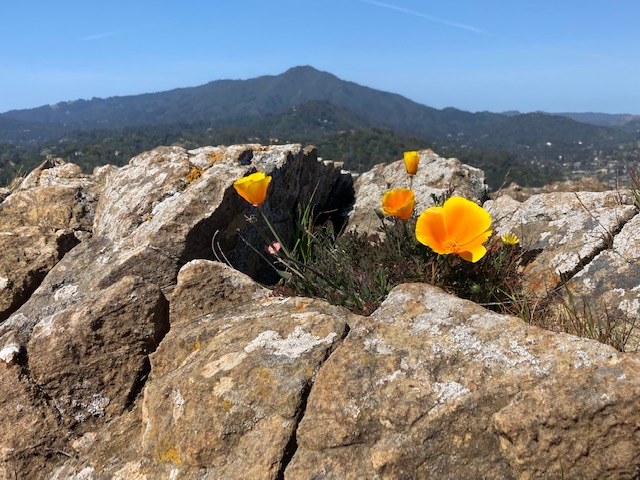
About Cal Geographic
Cal Geographic is a platform for the exploration of California’s past and present physical geography, native ecology, natural systems, and the conservation community working to preserve and restore these living landscapes. Cal Geographic will feature monthly explorations of California’s spectacular and varied geologic features, geomorphic landscapes, the geography of native wildlife, and the ecological systems within these landscapes. The mission of Cal Geographic is to inform and inspire a landscape-scale and systems-scale ecological conservation ethic through the exploration of these topics.
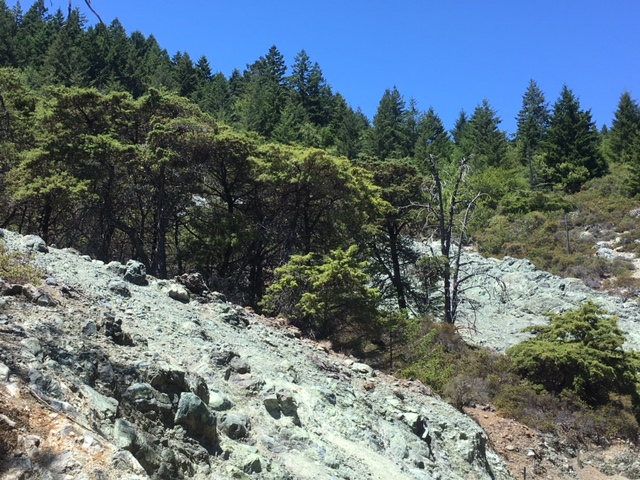
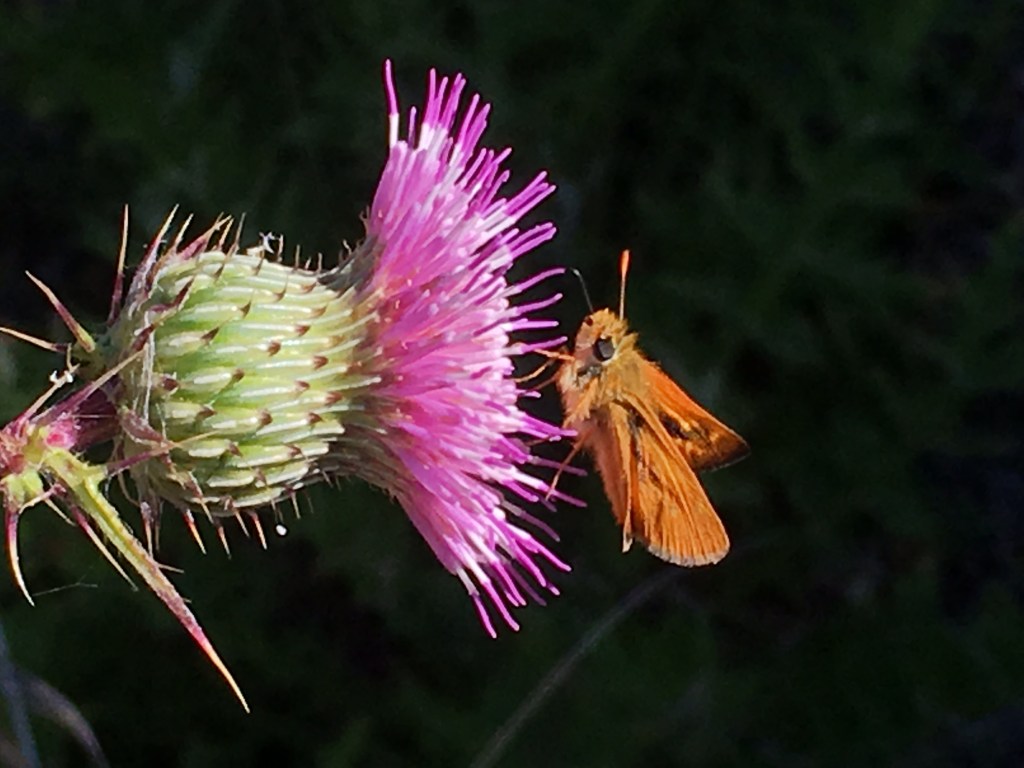
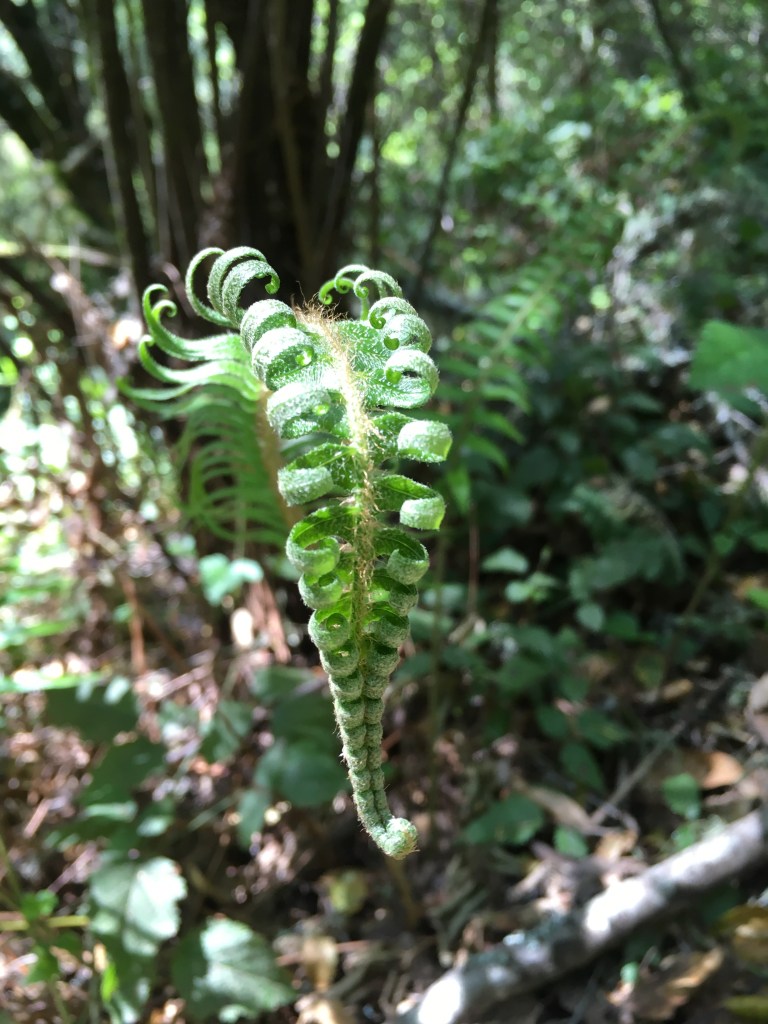
Cal Geographic’s introductory postings are overviews of larger topics concerning the geography of California’s physical and natural systems, in order to lay a foundation from which we will launch into and explore a multitude of more specific and intriguing physiographic features. Subsequent regular postings will explore a particular physiographic site of interest in California, or a particular landform type at one or more example sites, and the natural systems associated with that landform. These regular subject postings will be organized as Landform and Biogeography. Most postings will provide an introduction or overview of the topics with links to scientific resources for further exploration and a deeper dive into the subject matter.

Initially, Cal Geographic will primarily focus on the landforms, habitats, and conservation of California’s coastal zone and coastal geomorphic provinces because they are the most impacted and endangered landscapes in the state. Our coastal zone harbors some of the most unique, diverse, and rare landforms and habitats in the world. Our goal is to expand our focus and continuously explore the physical geography of the entire state of California, and all its geomorphic provinces.
A California Geographer
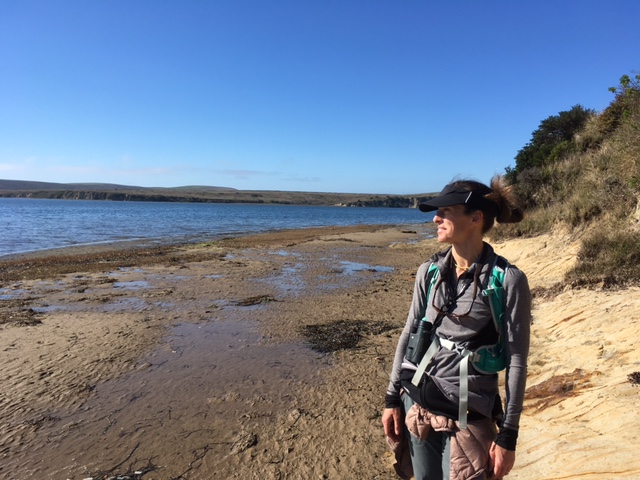
Cal Geographic is a culmination of my life’s focus, work, and love: California’s dynamic landforms and native landscapes. I am a physical geographer, historic ecology and landscape researcher, and field botanist based out of my studio on the central coast of California. In the last few years my focus has shifted from academic pursuits and professional field work, to individual intensive research, site visits, writing and educational outreach concerning our endangered coastal landscapes.


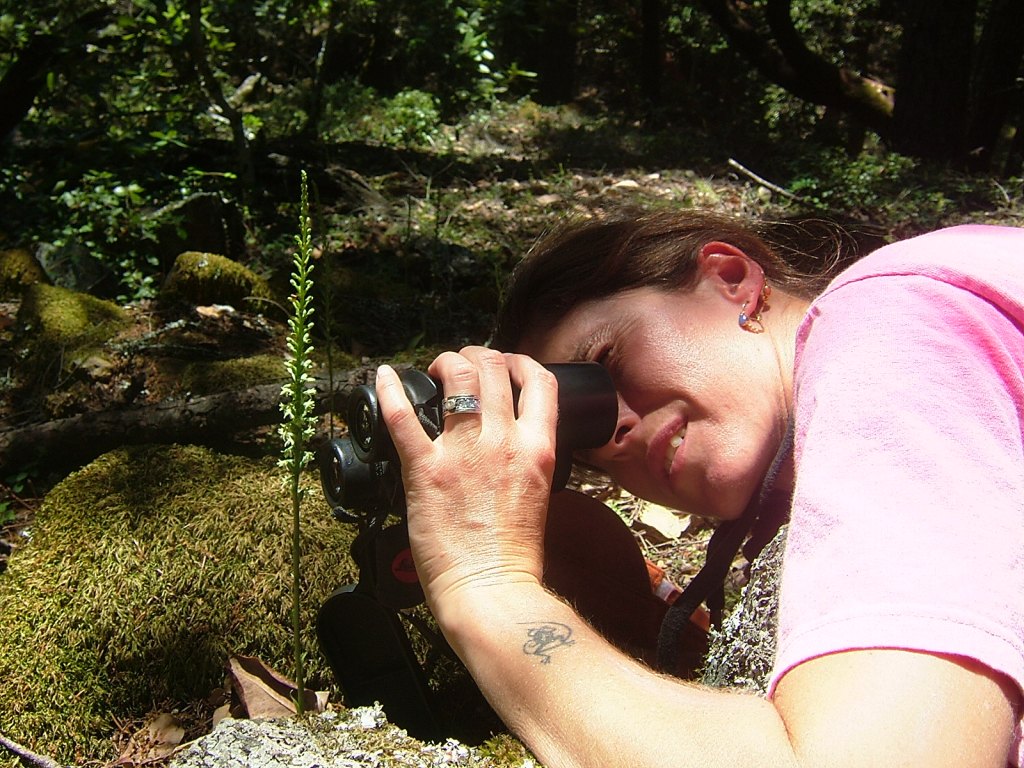
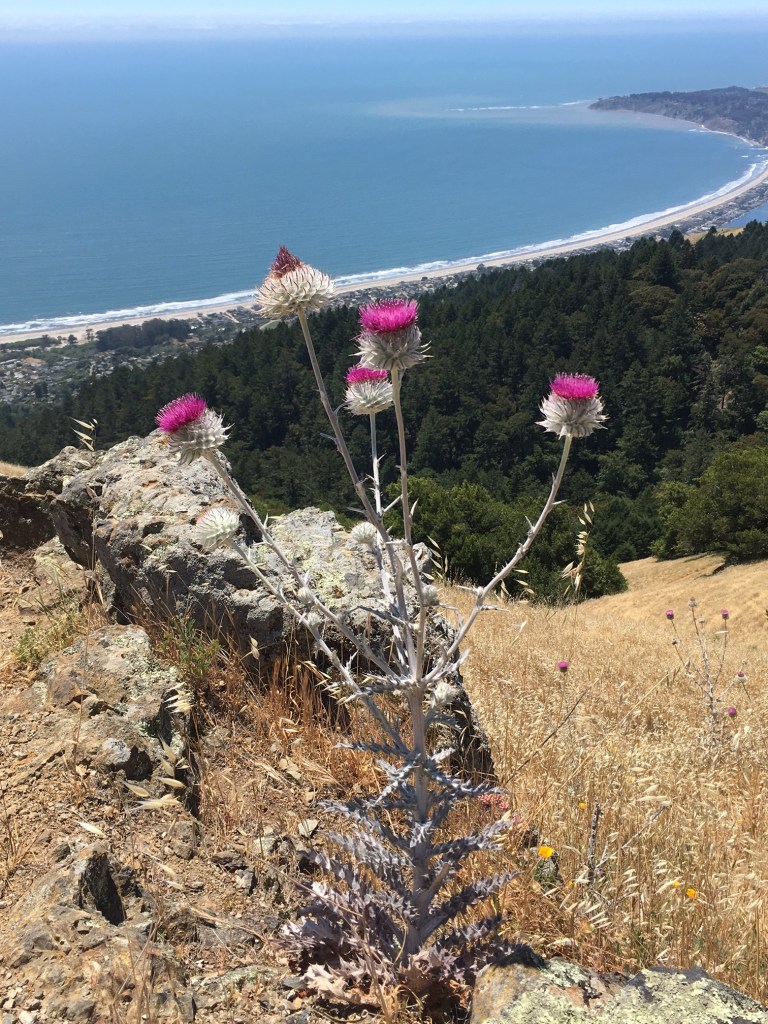
I graduated Summa Cum Laude from San Francisco State University with a BA in Physical Geography, as the Department of Geography and the Environment Honoree for academic excellence. I have a professional background conducting botanical mapping and native habitat surveys on the California coast, the Farallon Islands, the Sierra Nevada, and the Northwest Hawaiian Islands; as well as historic ecology and historical geography research. I am a geomorphology nerd! I am obsessed with the structure, geology, and habitats of marine terraces, and my true loves are California’s northern coastal scrub, and our freshwater vernal wetlands and wet meadows along the coast.
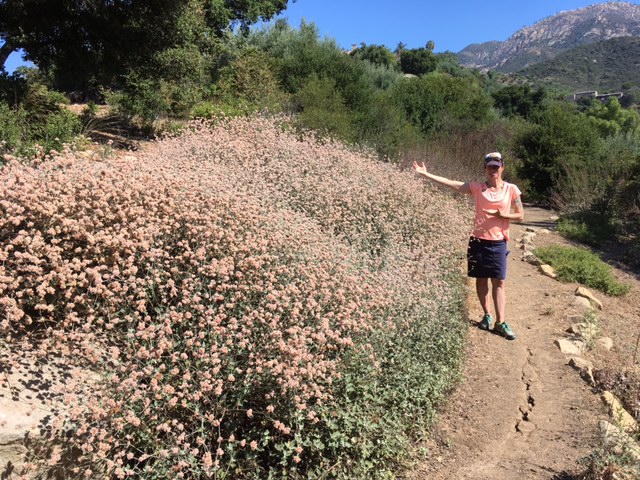
I grew up in the ominously majestic tectonic landscape of coastal West Marin County, on a Marine Terrace at the southern tip of the tectonostratigraphic terrane of the Point Reyes Peninsula. Here the pulses and cycles of the tides, ocean swells, and maritime seasons washed over an ever-shifting coastline of eroding cliff edges, uplifting pressure ridges, down-dropping offshore grabens, and the eternal grinding of the San Andreas Fault System at our doorsteps.
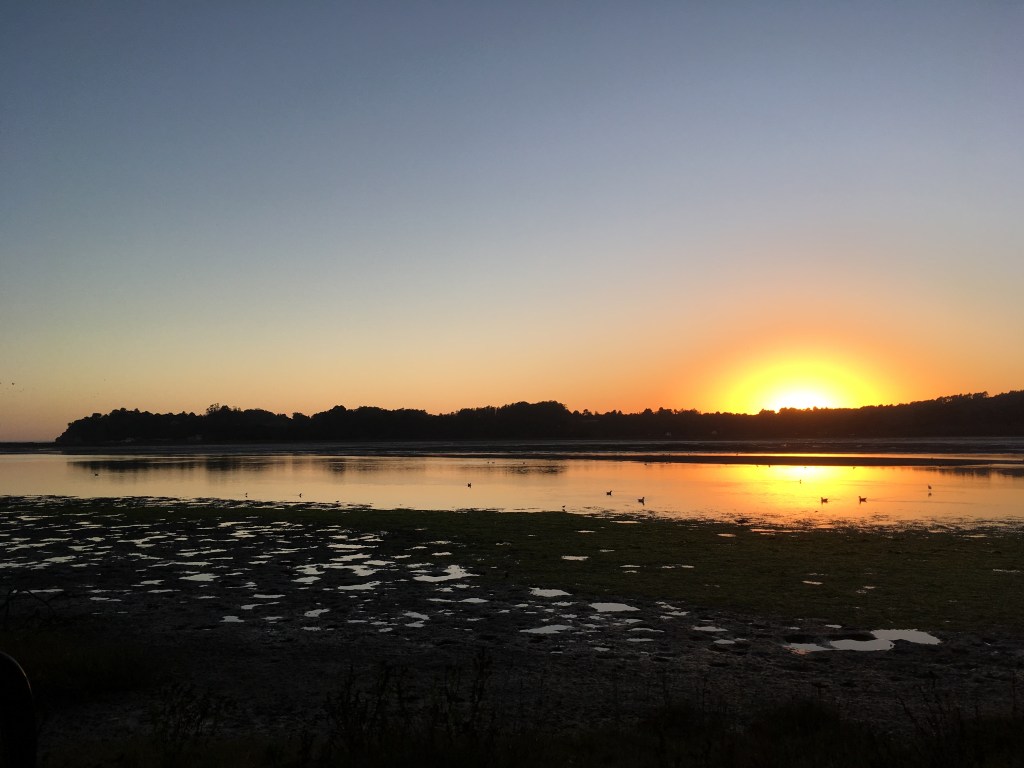
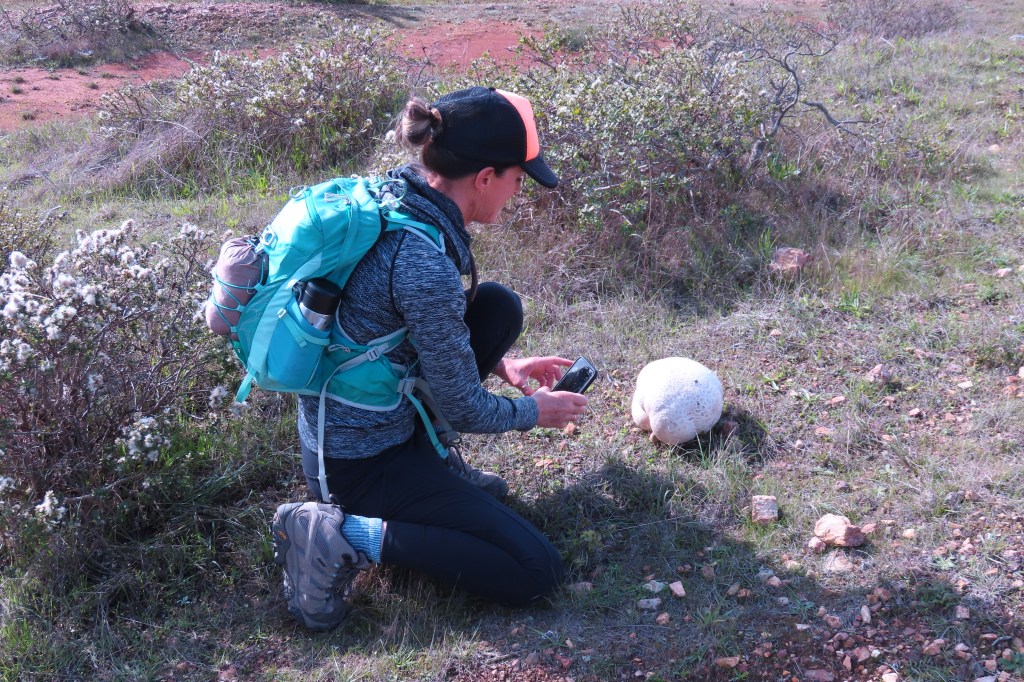


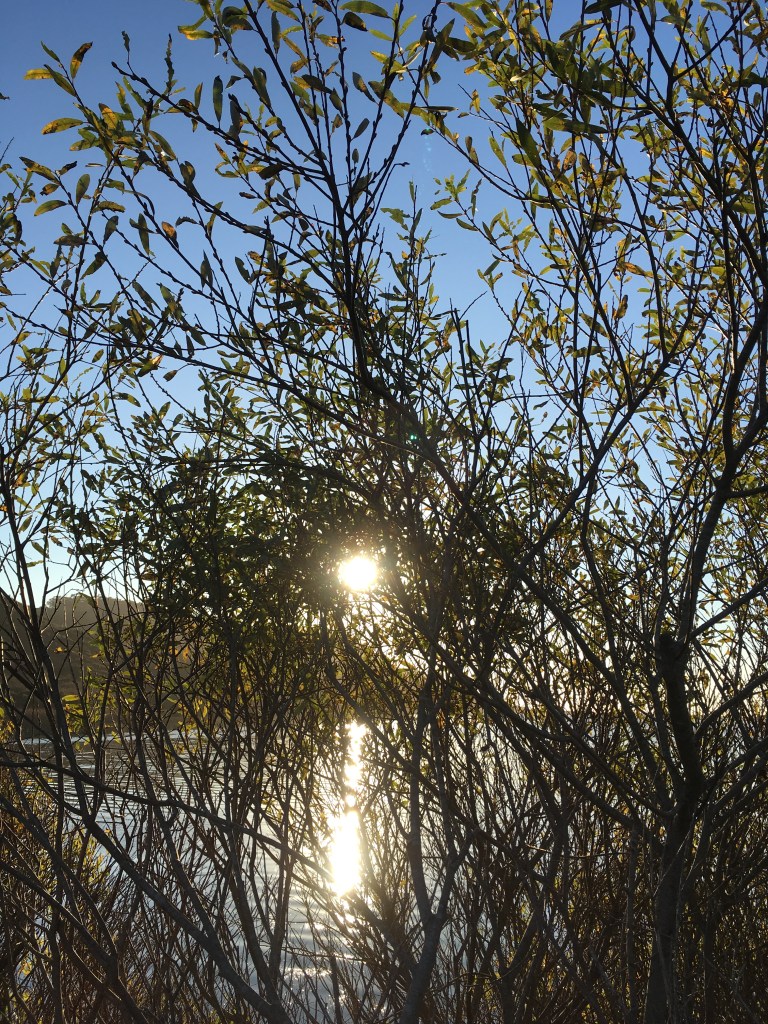
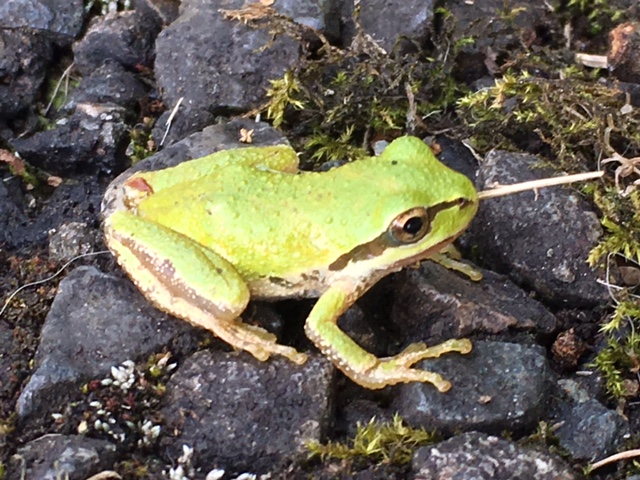
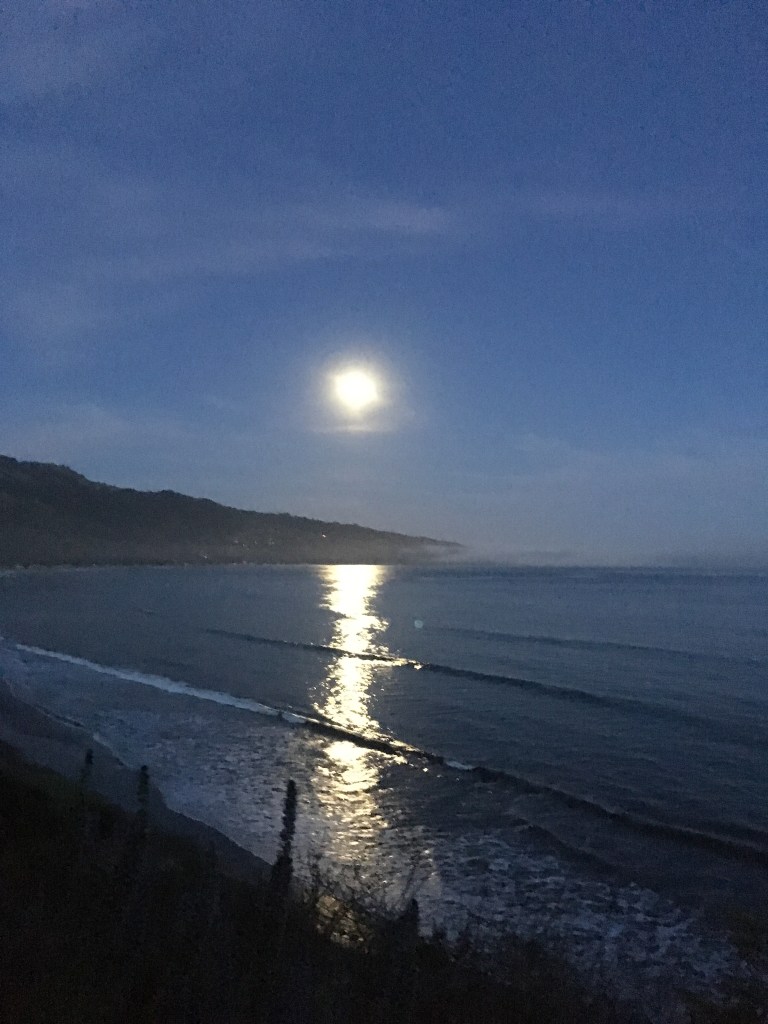
We were raised in a country house on a dirt road, riding horses and bikes, surfing, and exploring the rocky reefs and beaches and wetlands and wild lands at the edges of town. These natural places, even in this somewhat preserved rural landscape, are gravely altered and have severely retreated due to human impact and climate change. Yet, I still catch glimpses of my childhood landscape when the full moon rises silently over the ridge reflecting on a glassy lagoon below, echoing with the calls of shorebirds; in the familiar smell of sandstone dust under soft footfalls on a firm dirt trail cutting across the terrace; in remnant willow swales and cliff-side scrublands; in the din of Pacific Chorus Frogs singing by the thousands in winter from a distant swale or cattle pond; and in the whispers of a solitary cricket on a foggy summer evening, hoarsely chirping from the salty sage brush above the waves.
My ancestors fell in love with this beautiful place in the mid-1800’s, settling in rural northern Sonoma County as French utopian colonists, and intrepid Scandinavian mariners settling in San Francisco. Lucky for me a shipwreck on the Farallon Islands convinced my Danish sea captain great, great grandfather to put down roots in the land he grew to love after years of circling the earth as a maritime merchant. Generations later my parents would find a remnant wild corner of solitude on the edge of this westerly peninsula to raise a family – where the wind constantly whipped our hair, barn swallows nested on our porch light, and the door was always open.

Unless otherwise acknowledged, all content and material on Cal Geographic (calgeographic.com), including, but not limited to, images, text, photographs, and logo are copyrighted and may not be downloaded, reproduced, or used without express permission of the author, Rowena Forest. The Cal Geographic brand, website, and business is a Registered Trademark with the US Patent and Trademark Office, and protected under federal intellectual property laws.
