Non-Native Tree Storm Hazards in Coastal Communities

Non-Native Tree Storm Hazards in Coastal Communities The native coastal habitats of California have evolved to withstand winter storms. Within the ecological and geomorphological zones of the Coast Ranges, marine terraces, dune systems, estuaries, riparian zones, coastal ravines and valleys, and nearshore environments, plant species and communities such as Coastal Scrub types, Coastal Prairie, wetland, … More Non-Native Tree Storm Hazards in Coastal Communities

The Chaparral Mosaic in California

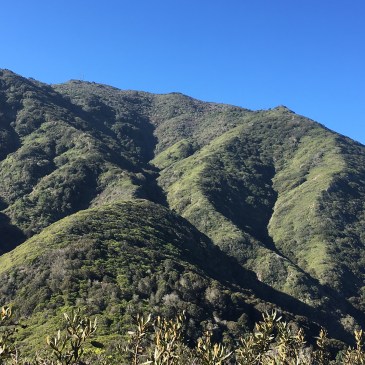
The Chaparral Mosaic in California If one ecosystem typifies California, it is chaparral. Enduring, somber, vast – often mythologized – chaparral is emblematic of our wild west. The quintessence of a rugged and calamitous geography; a resilient and seemingly impenetrable mosaic of diversity and endemism; chaparral is California.  Yes, it’s that important. The chaparral community … More The Chaparral Mosaic in California

The Coastal Scrub Mosaic in California (Don’t Call It Soft Chaparral)

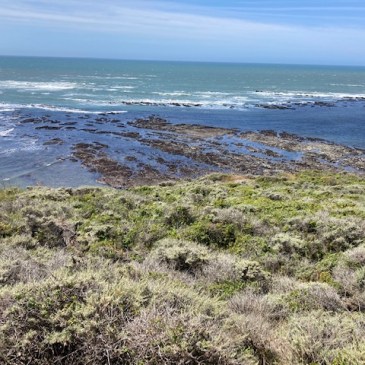
The Coastal Scrub Mosaic in California (Don’t Call It Soft Chaparral) Coastal Scrub Mosaic A mosaic of Coastal Scrub vegetation assemblages and habitat types once inhabited most of the coastal regions of the California floristic provinces, from northern Baja to southern Oregon. Often mistakenly identified as “soft chaparral” communities, this scrub mosaic flows in a … More The Coastal Scrub Mosaic in California (Don’t Call It Soft Chaparral)

An Overview of California’s Mediterranean Climate System

An Overview of California’s Mediterranean Climate System California is one of only five Mediterranean climate regions found in a narrow band around the world between 30° to 40° north and south latitude, on the coastal west sides of continents. Characterized by long dry summers and short wet winters these bioregions are flanked by cold oceanic … More An Overview of California’s Mediterranean Climate System