






Bedform defined:
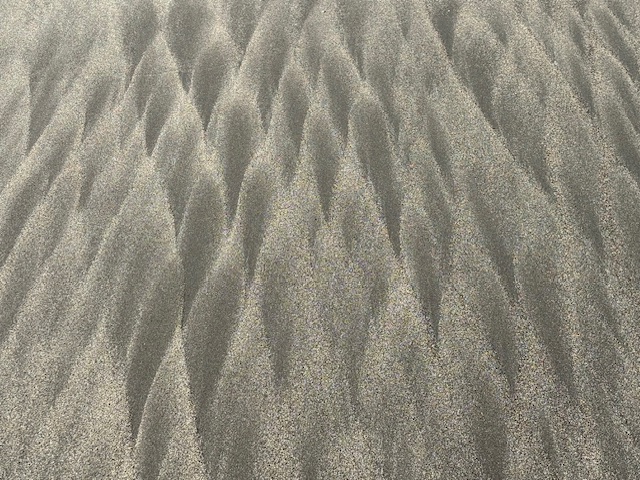
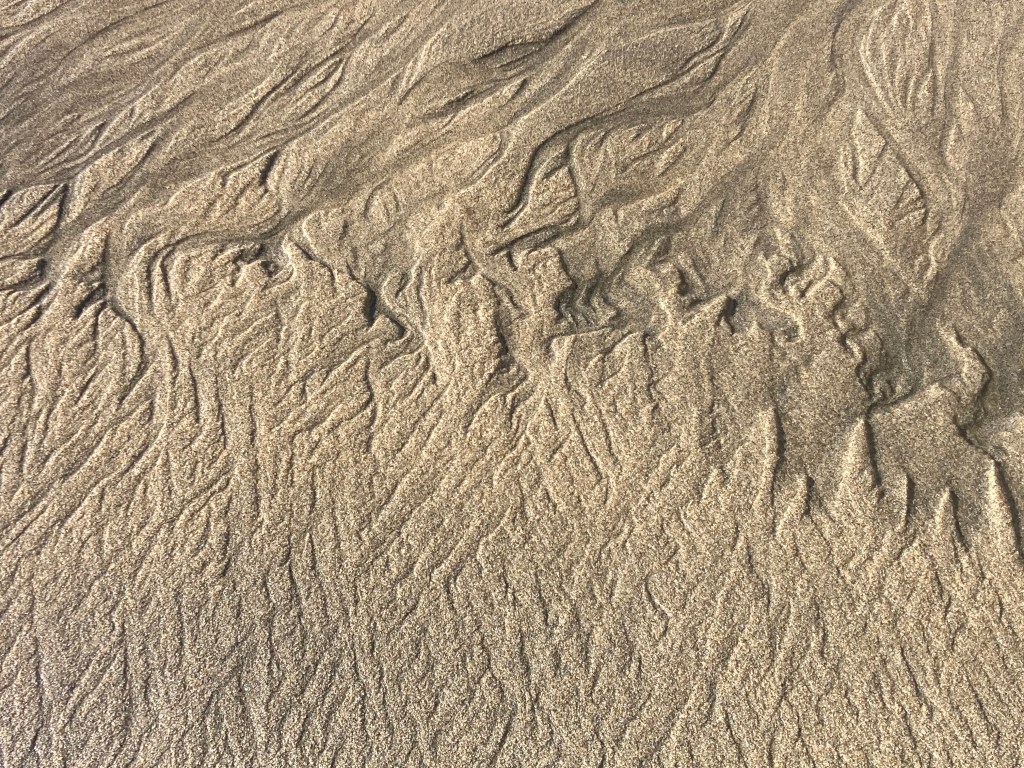
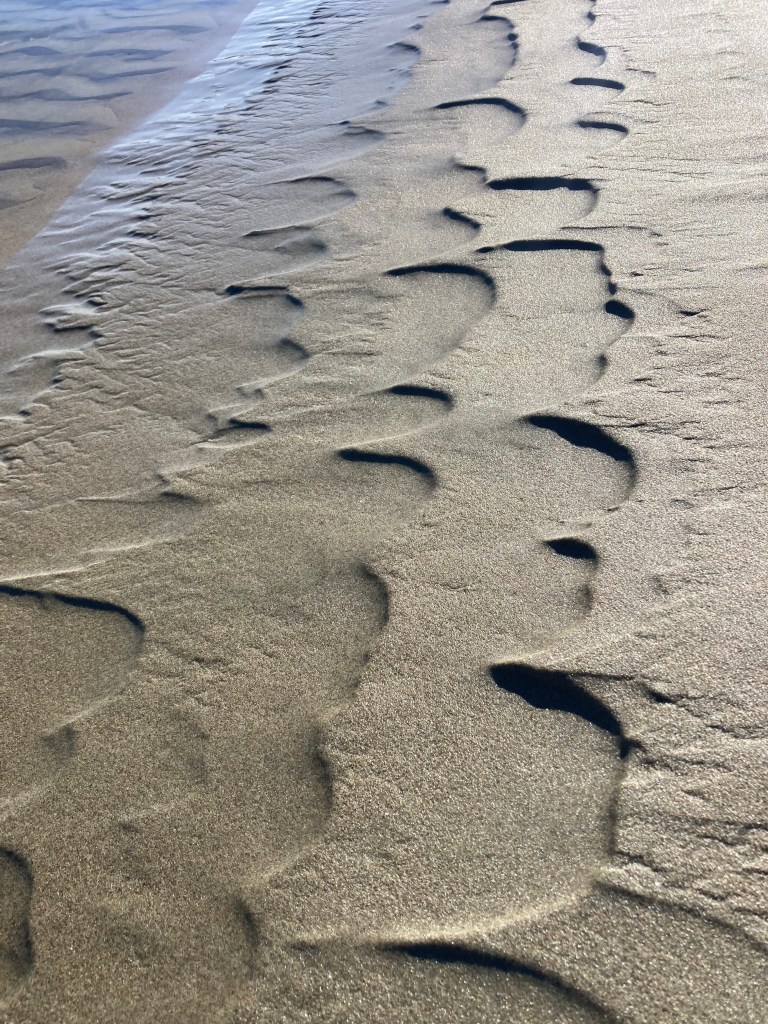
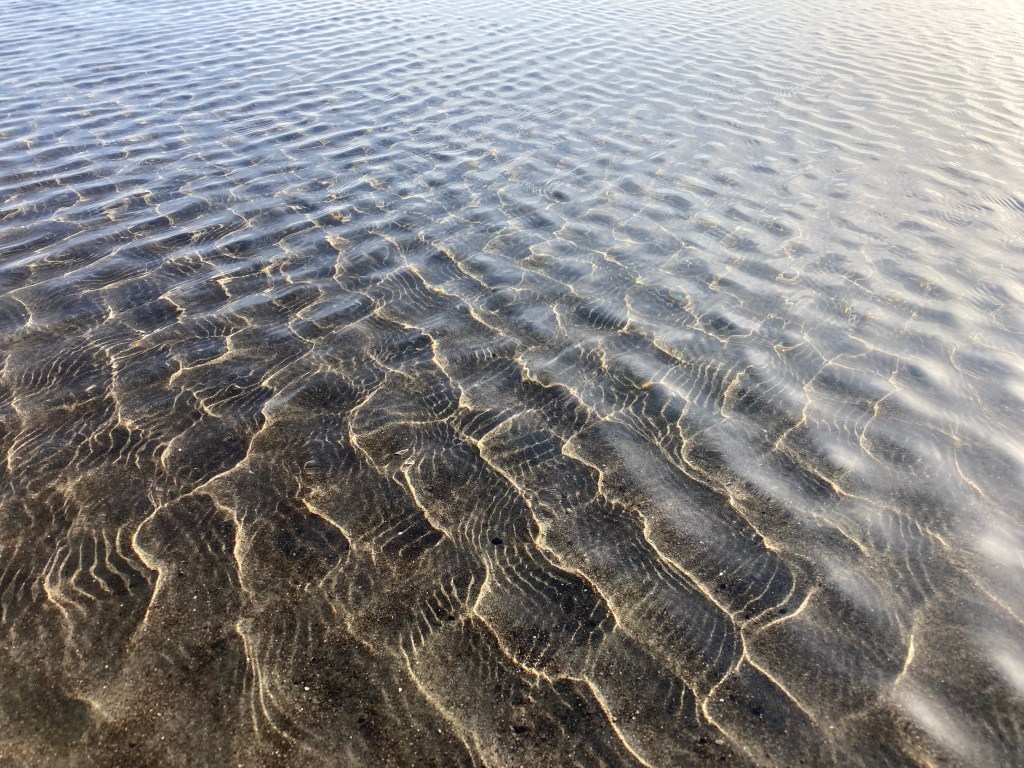
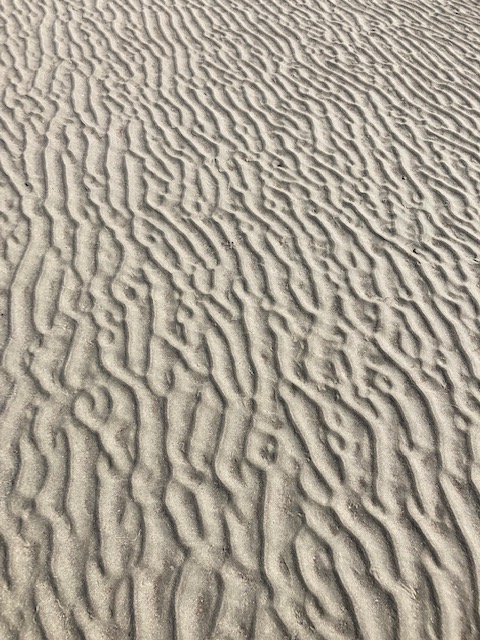
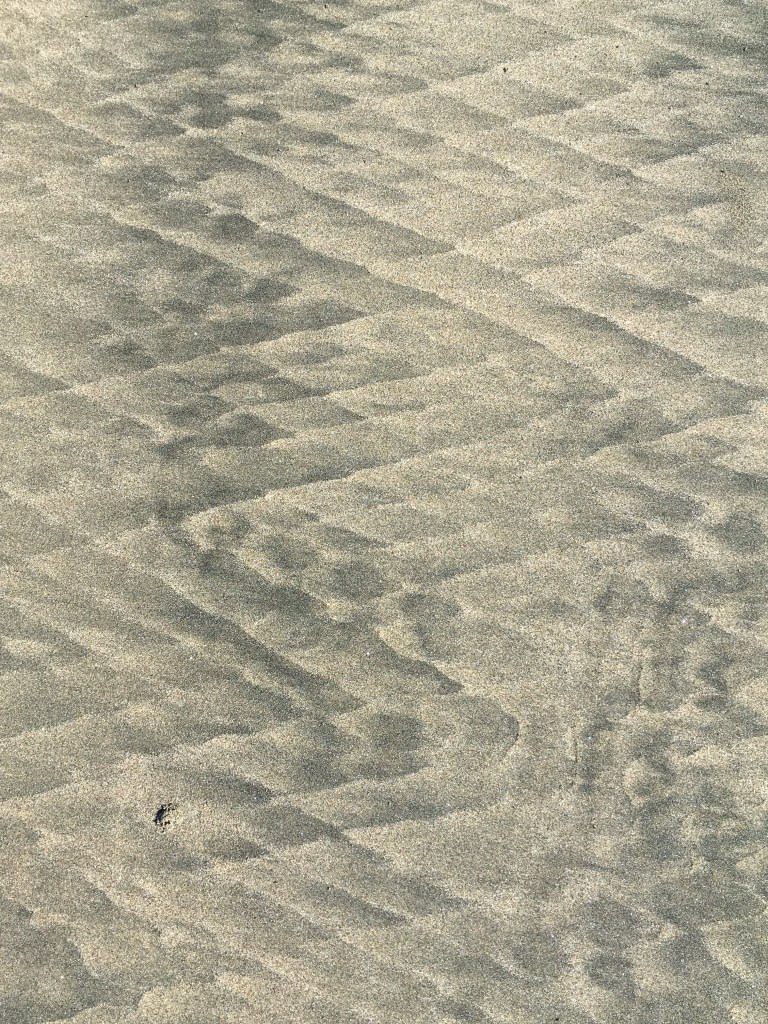
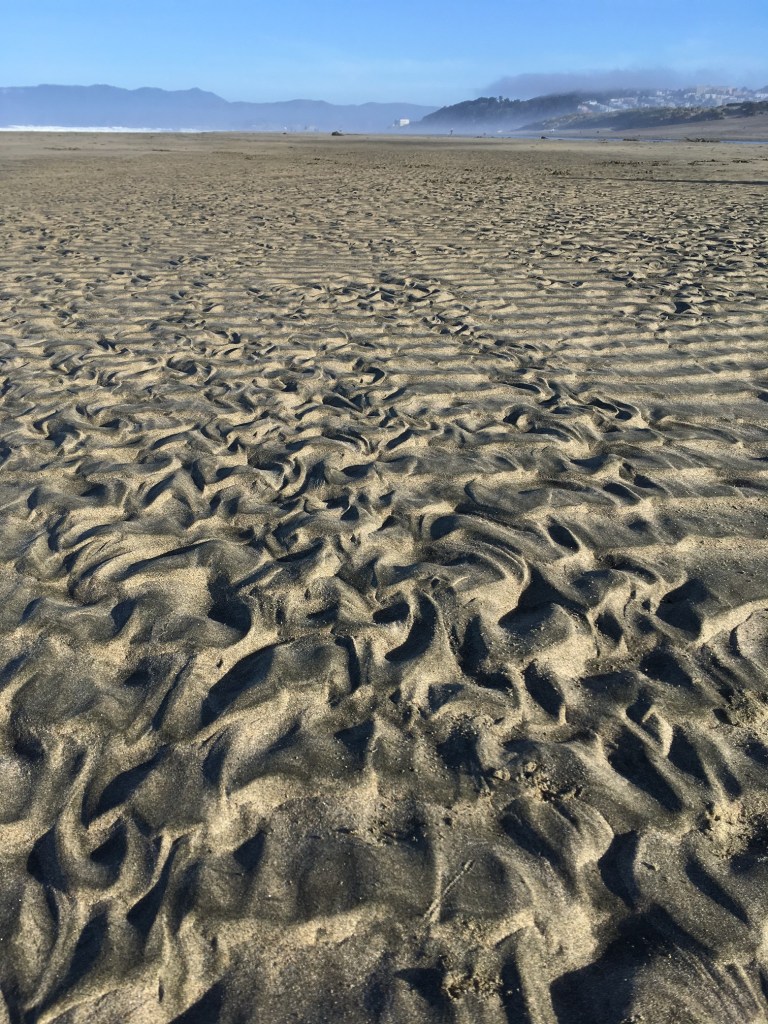
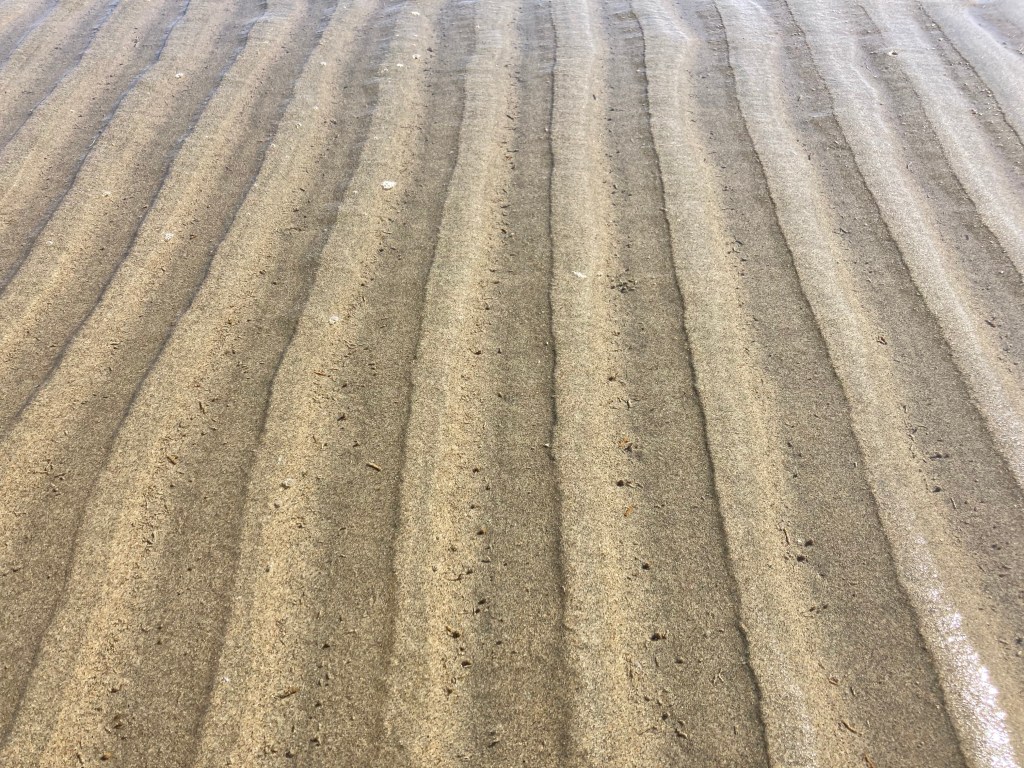
The transport of sand or gravel as bedload by currents and/or waves, creates a variety of geomorphic features on the bed, varying in size and form depending on complex interactions of the density, shape, and coarseness of the sediment particles; and on the depth, strength, uniformity and steadiness of the current. These features are bedforms.
Bedforms are found within rivers, tidal systems, the seabed, and deserts. Bedforms found preserved in sedimentary strata are valuable indicators of past environment, showing prehistoric sediment transport strength, and direction within the geologic record.
Bedforms are generally small-scale geologic/geomorphic features possessing specific geometric morphologies, and actively contribute to the sedimentary behavior and structure of their environment.
Transport of sediment in bedload, or close to the bed, by waves and/or currents, leads to the development of characteristic forms on the bed. Bedforms tend to be quasi-regular in morphology and spacing, and their form is controlled by the diameter of the sediment, by the shear stress exerted on the bed, and by the velocity and asymmetry of waves or currents.
Classification terminology of these small-scale sedimentary features, includes: ripples (linear, undulatory, cuspate, planed-off, rhomboid), mega ripples, sand waves, flat bed, and antidunes.
Geomorphography Page and Archive
References:
Davidson-Arnott, R, et al. 2019. Coastal Processes and Geomorphology. Cambridge: Cambridge University Press
Goudie, A.S. editor. 2013. Encyclopedia of Geomorphology: Volume 1 and 2. New York: Routledge
Hayes, M., et al, 2010. A Coast to Explore: Coastal Geology and Ecology of Central Caifornia. Columbia: Pandion Books
