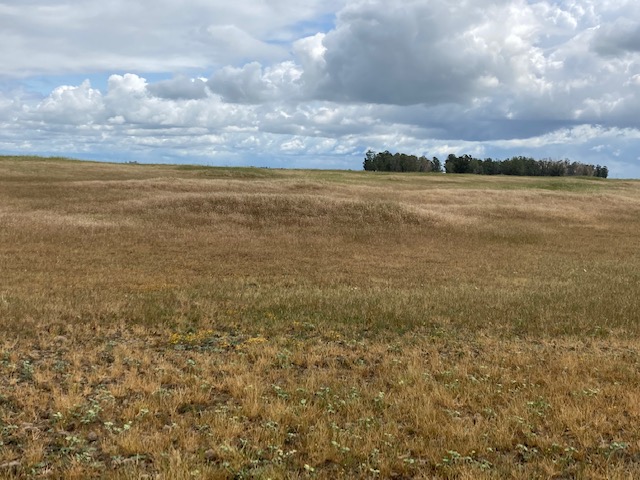
Mima Mounds/Mound Microrelief Topography at Jepson Prairie, R. Forest
Mima Mounds/Mound Microrelief:
Well-developed mounds and hallows.. Mima mounds are probably the result of weathering and the activities of colonial burrowing animals like pocket gophers.
Mima mounds are named after Mima Prairie in Thurston County, Washington, where this landscape is prominent. Such mounds are usually up to two meters in height. Hypotheses of their origin include erosional residuals, result from depositional processes, frost sorting, have been formed by communal rodents, are degraded termitaria, or have been created by seismic activity or groundwater vortices.
California’s mima mounds are usually one to six feet high and nine to 60 feet in diameter. Mound material is usually loose and unstratified, and has a high proportion of silt.
The origin of mounds has been debated since the mid-19th century; more than two dozen theories have been proposed. The most persistent theories attribute them to periglacial conditions, localized deposition, formation by gophers, and seismicity.
(Definition references are listed at the bottom of the Geomorphology Word of the Day home page)
Where in California:
Resembling a bumpy carpet of giant bubble wrap unfurled across the landscape, mima mounds present a striking and perplexing pock-marked geometrical landscape that can extend for multiple acres. Also referred to as hog wallows or pothole prairie, mima mound topography hosts rare and endangered grassland and wetland ecosystems across California and the world.
In western North America, mima mounds are found from Alaska to northern Mexico inhabiting plains, grasslands, and prairies. They usually occur above an impermeable substrate; and in California, mima mounds are most prevalent in the Central Valley and the Carrizo Plain. They can also be found on coastal marine terraces in Orange County and San Diego County, associated with hardpan substrates, and rare coastal vernal pool habitats.
