
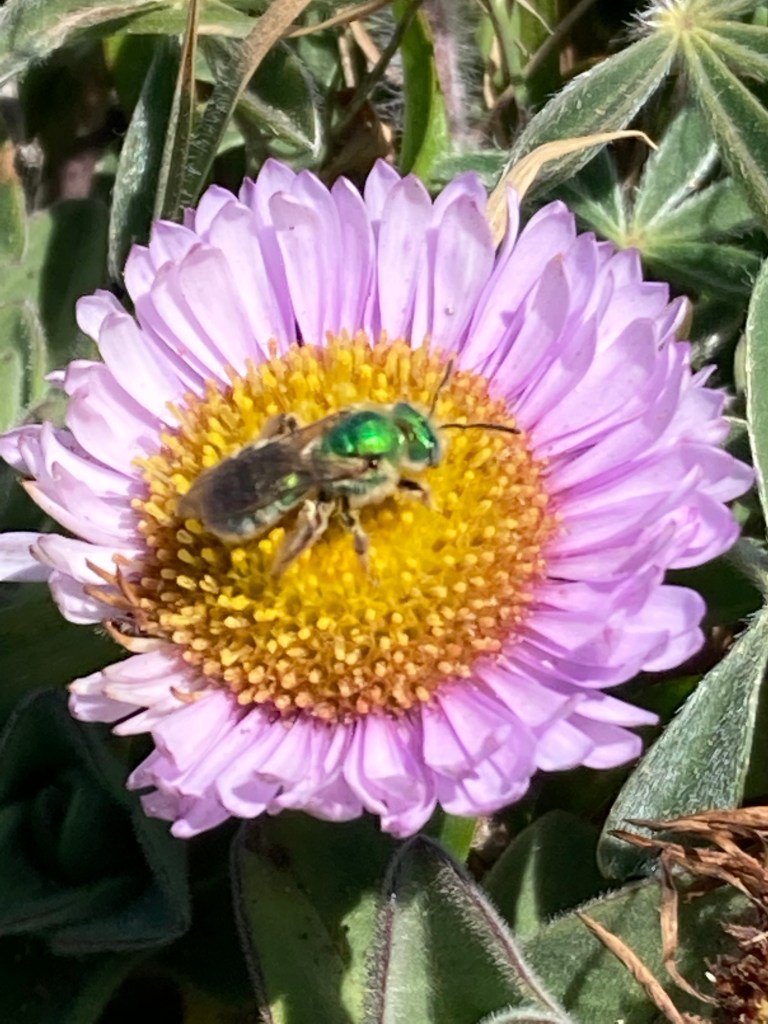
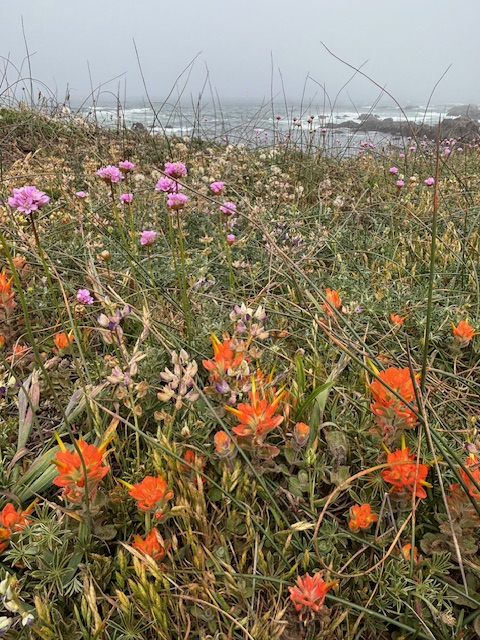
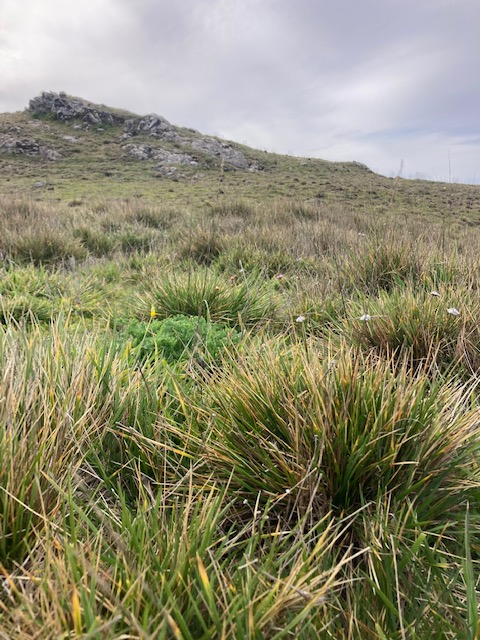
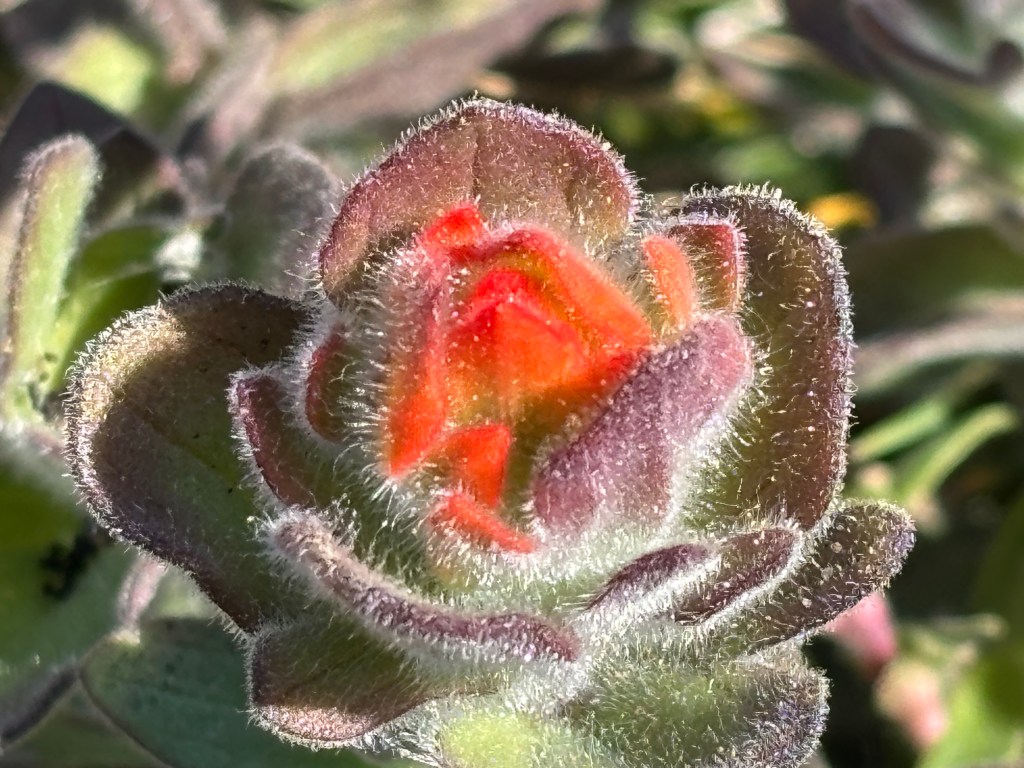
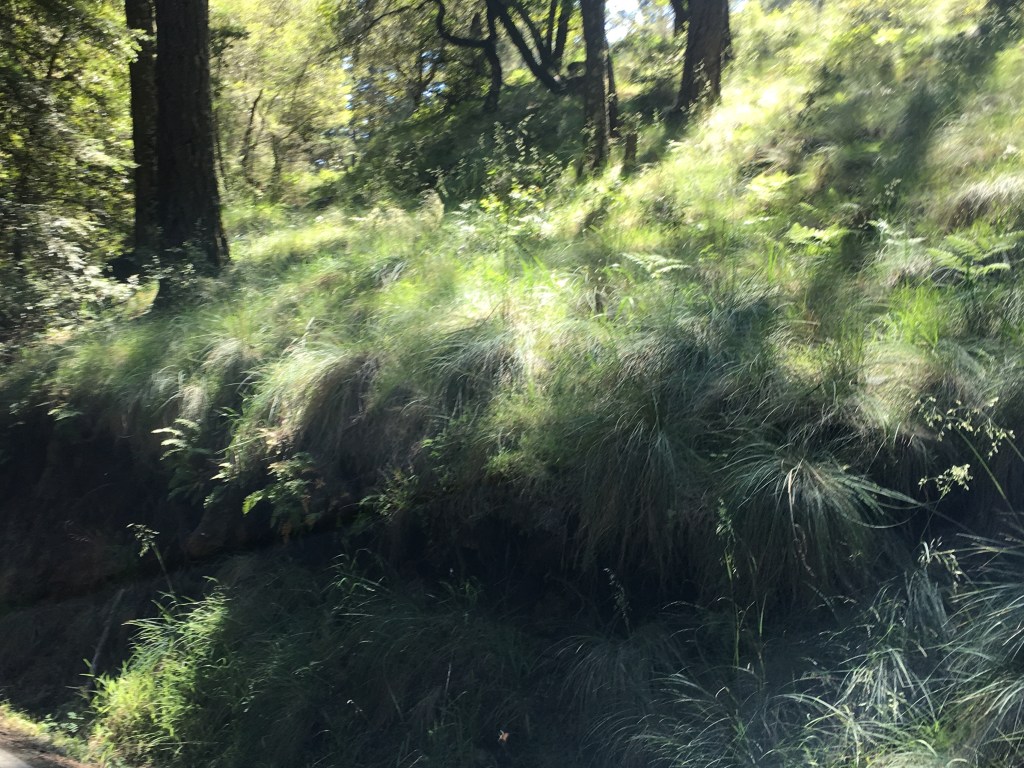
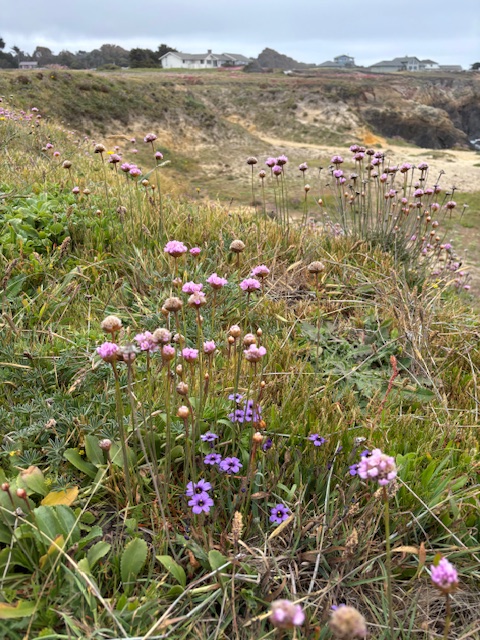
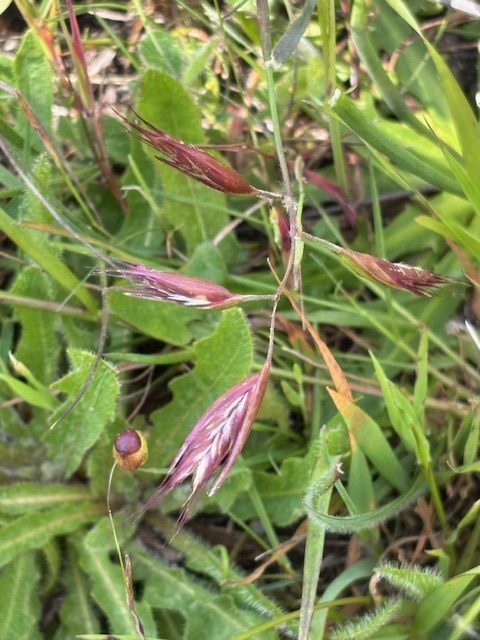
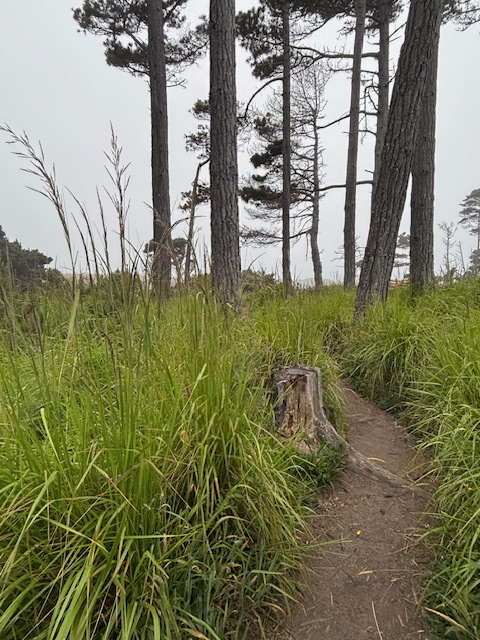

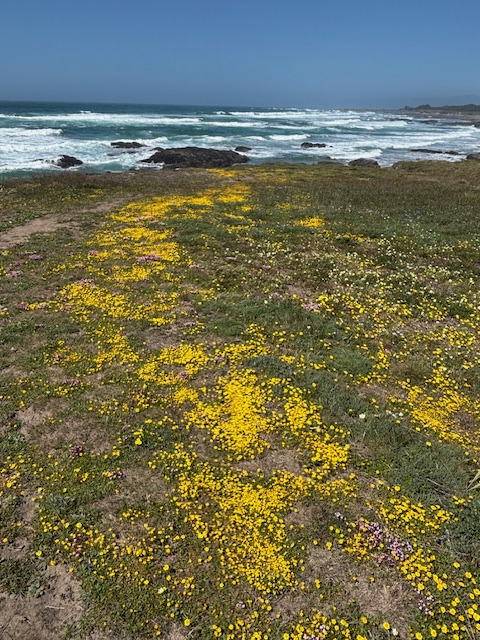

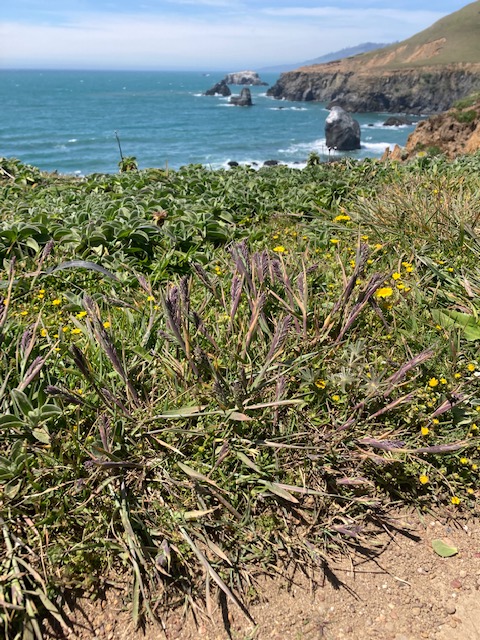

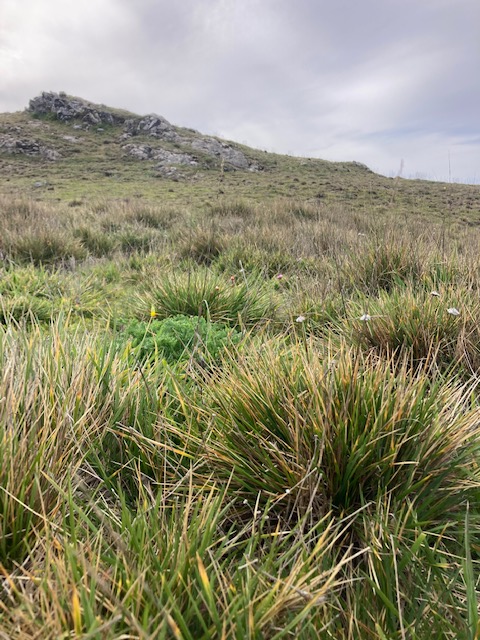

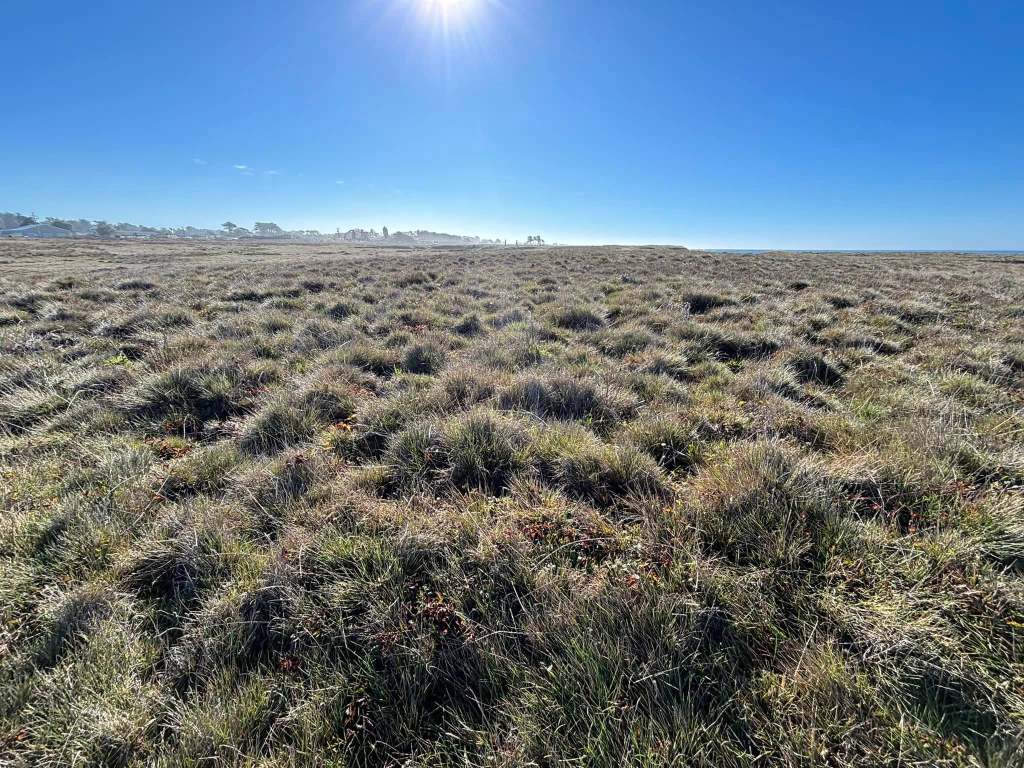

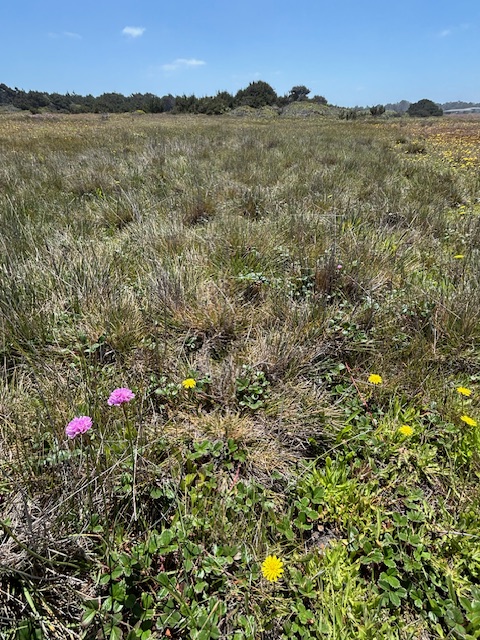


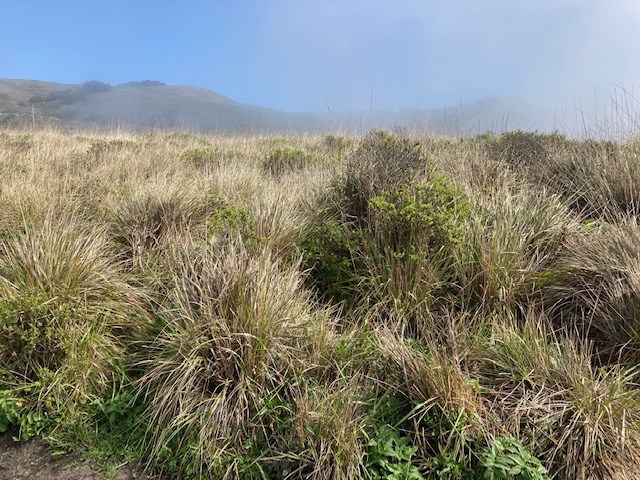
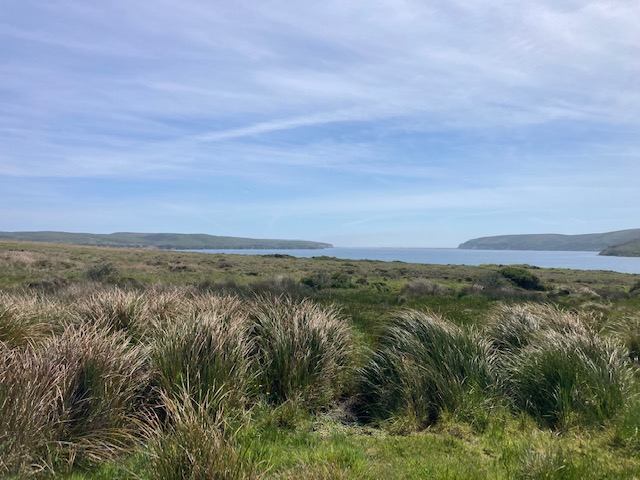
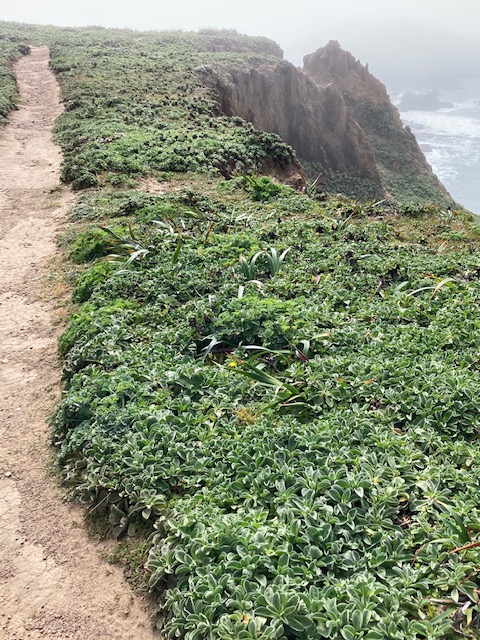
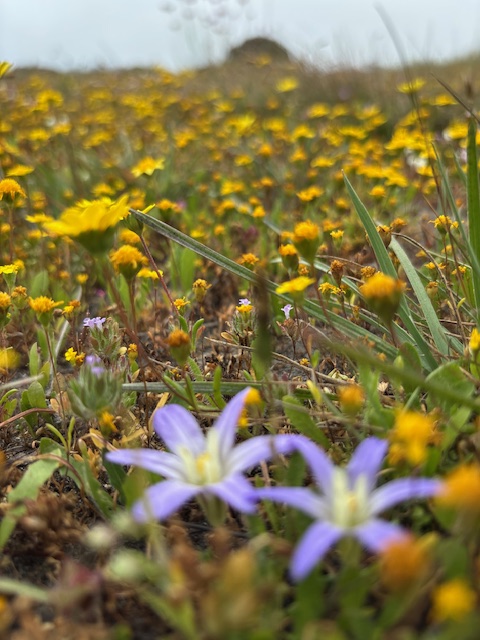

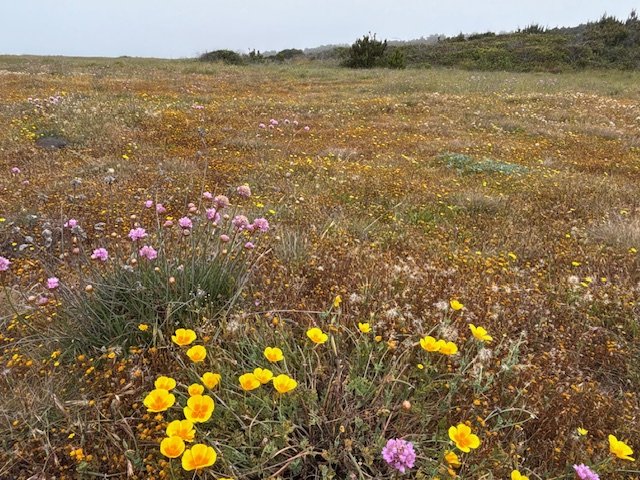

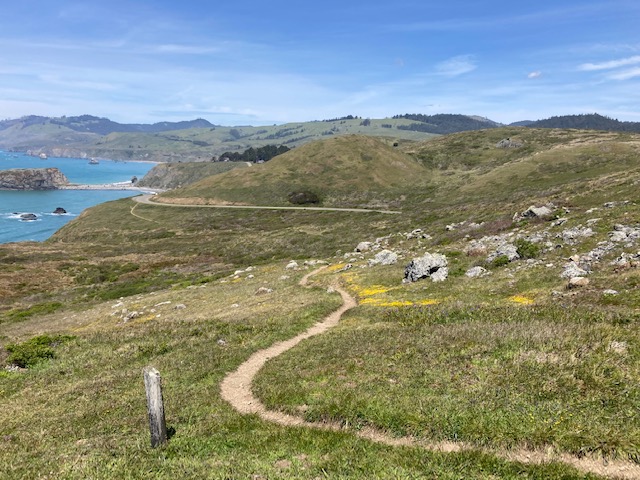

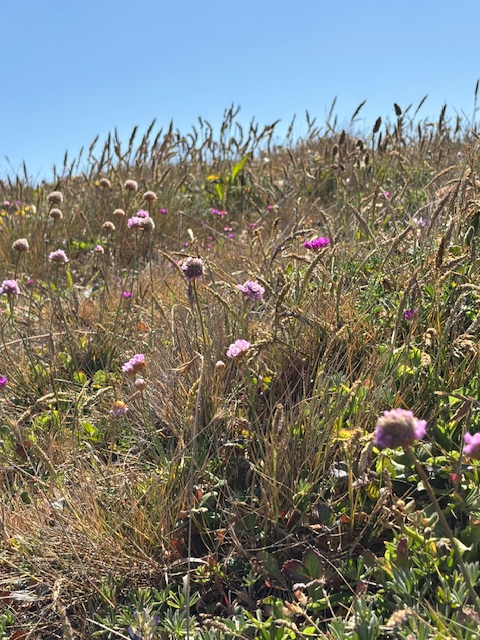
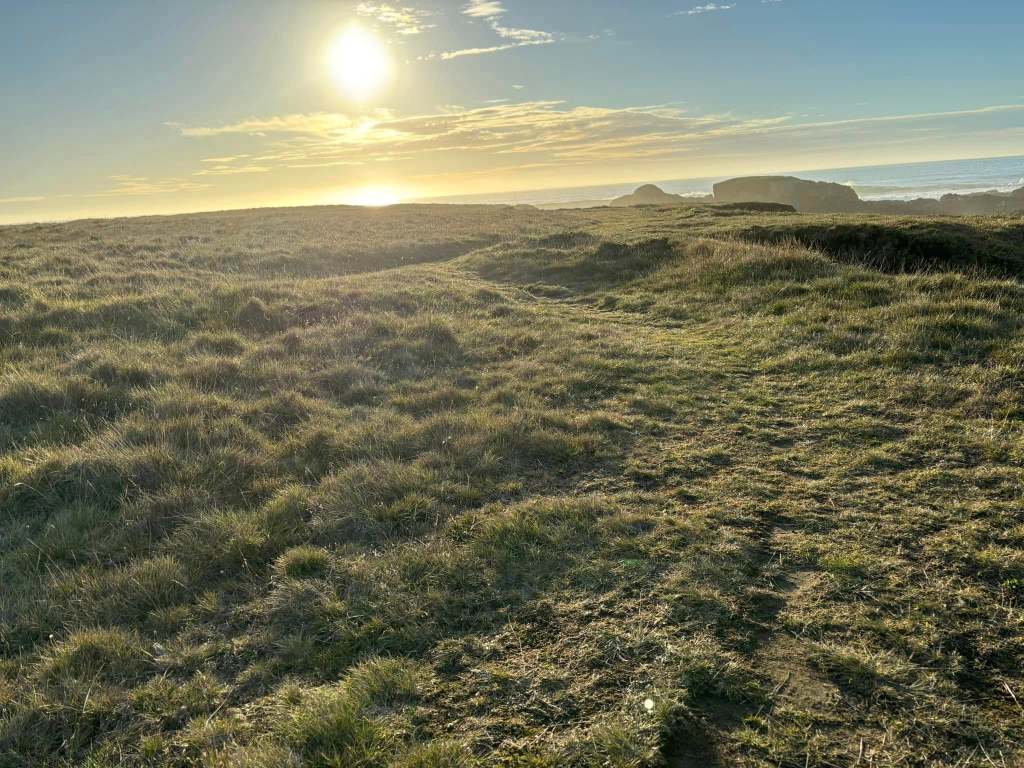


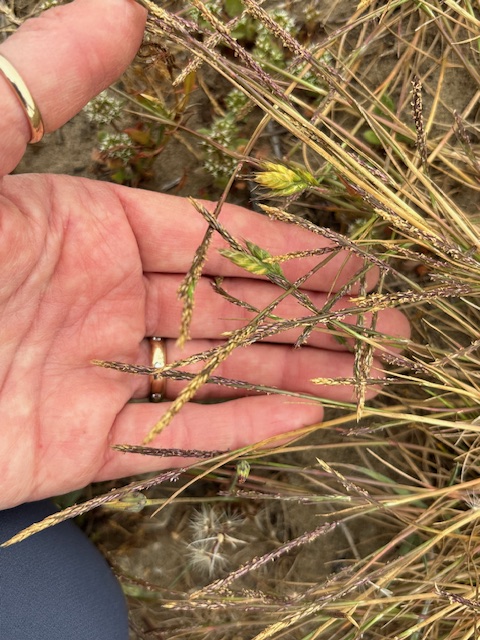
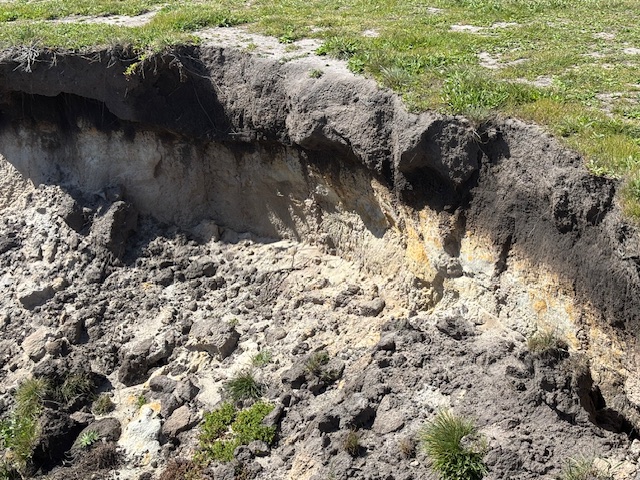
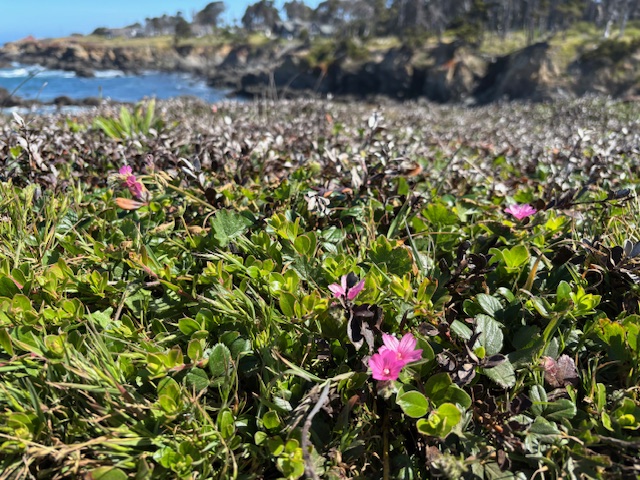

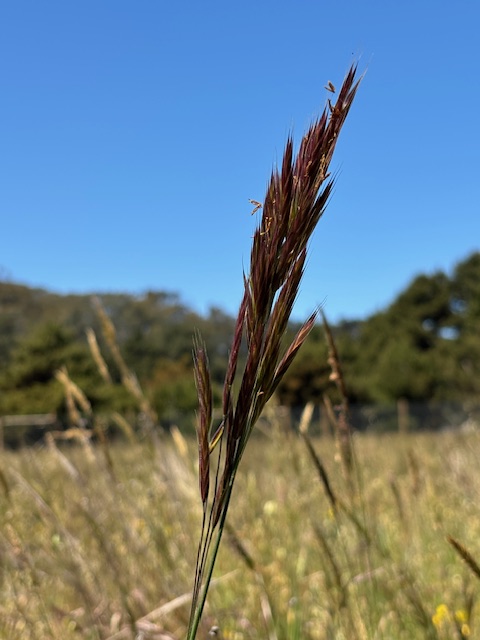
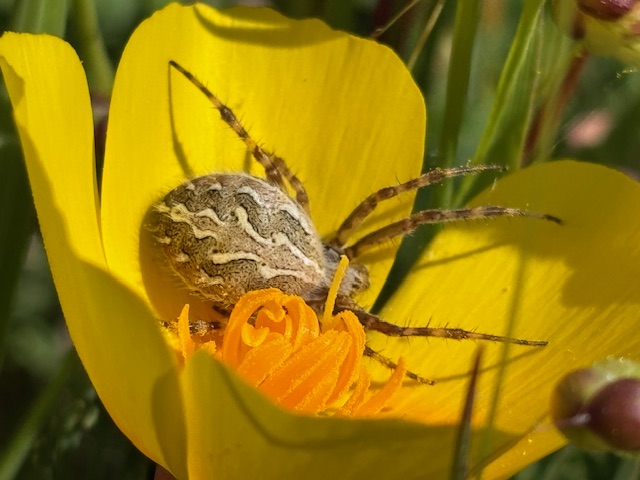


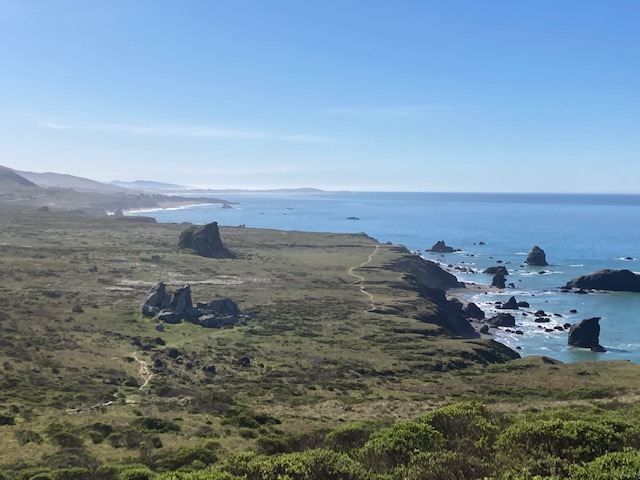
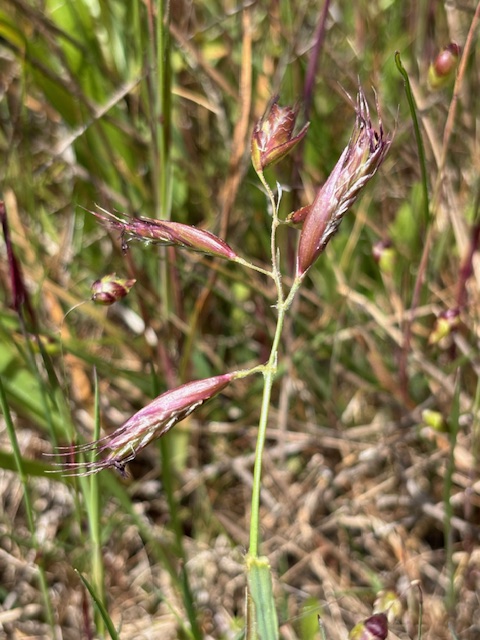
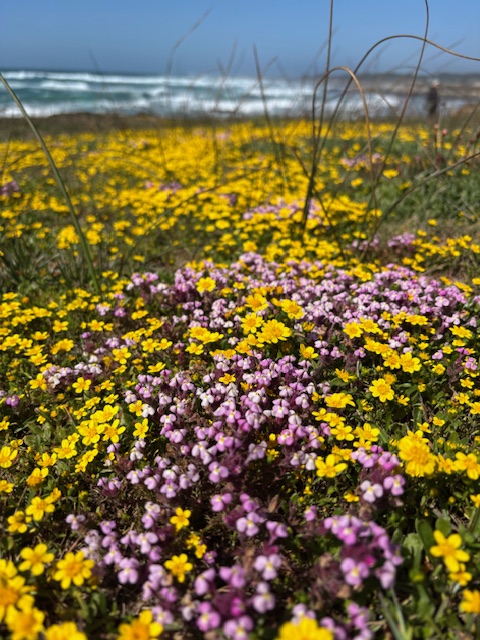




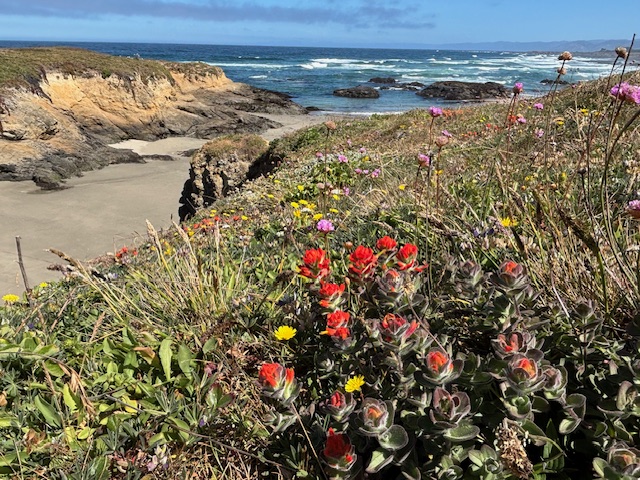
California’s coastal prairies form a fragile and patchy network of long-lived, low profile, species-rich herbaceous ecosystems unique to the climate, geology and geography of California’s coastal regions. A steadfast and dominant biological component of the Pleistocene, coastal prairies harbor keystone perennial grass species, along with a multitude of annual and perennial forbs and graminoids.
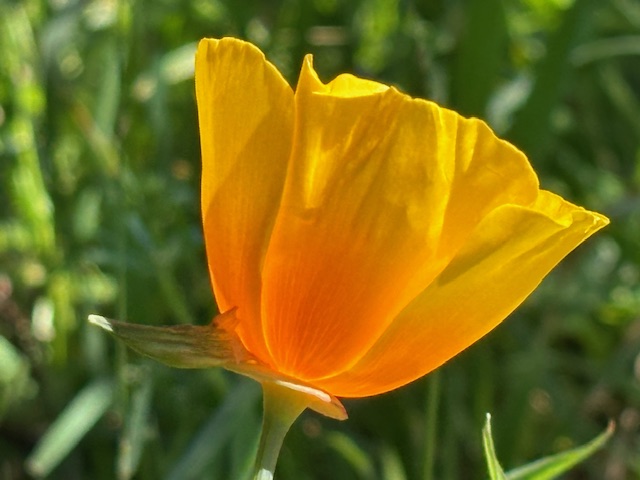
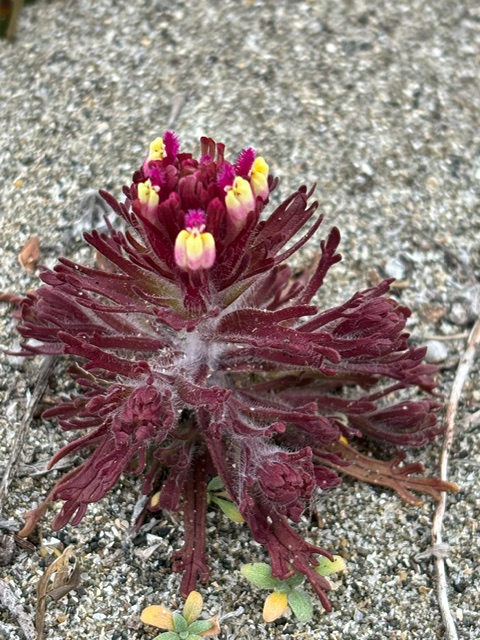
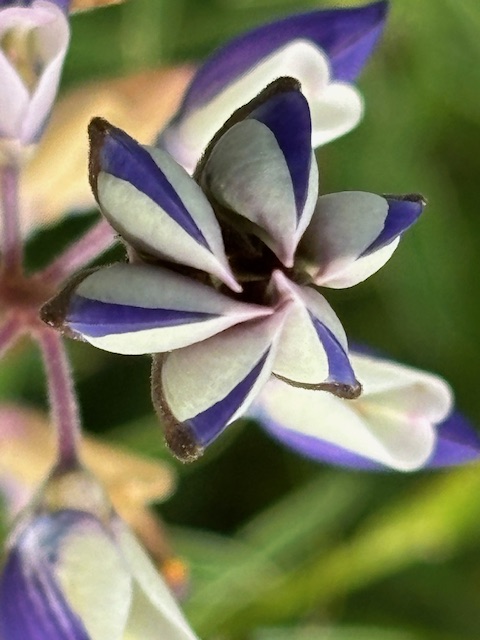
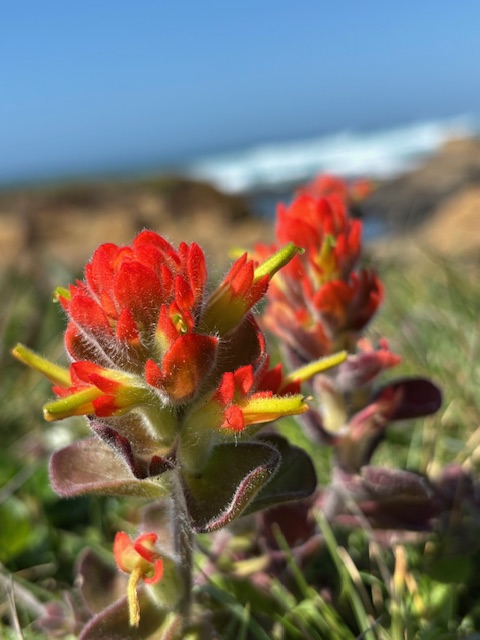
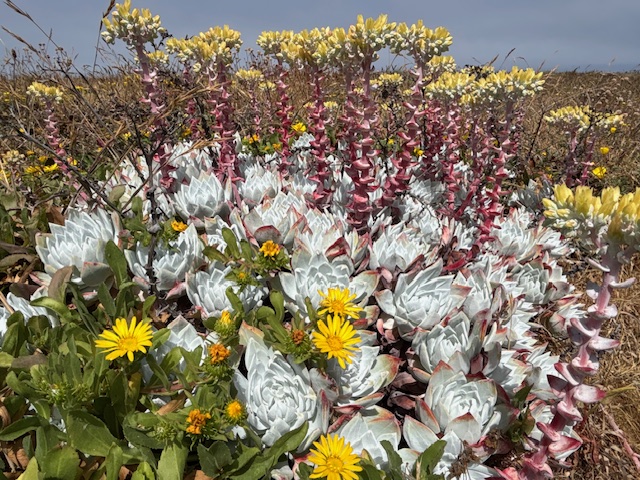
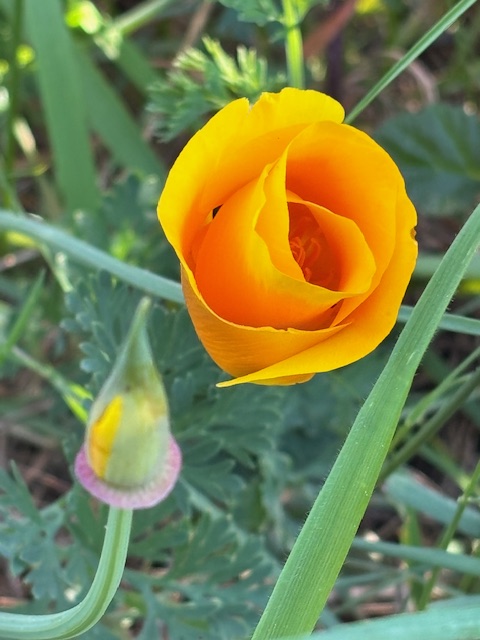
Herbaceous flowering plant species (forbs/wildflowers) often outnumber grass species within the coastal prairie community types. California’s coastal prairies are the most endangered and the most diverse (plant species diversity) of all grassland and prairie ecosystems in the U.S.
As with all things California biogeography, coastal prairie species composition is a mosaic that morphs, mixes, and varies widely from north to south with CA’s extreme annual moisture gradient. This has produced a spectrum of prairie-type assemblages and species associations too numerous to have been completely mapped or fully understood, as of yet.
