










Marine terrace evolution and a visit to the Pygmy Forest
Steady tectonic uplift of the coastal margin combined with the erosional forces of wave dynamics produces a series, or flight, of stair-stepped geomorphic plateaus, known as marine terraces. Through dating methods such as uranium series dating and acid geochronology of bio- mineralogical materials, as well as cosmogenic radionuclide inventories, marine terraces have been aged to closely correlate with earth’s marine isotopic stages, and global sea level regressions and transgressions.
Distinct flights of marine terraces of Graywacke bedrock overlain by younger sandstones and beach deposits, observed along the Mendocino coast, are aged approximately at 100,000 year intervals, with the oldest and highest found a few miles inland from the shore at around 500,000 years old. As these terraces retreat and age the unique geomorphic setting and processes create rare and isolated ecosystems.
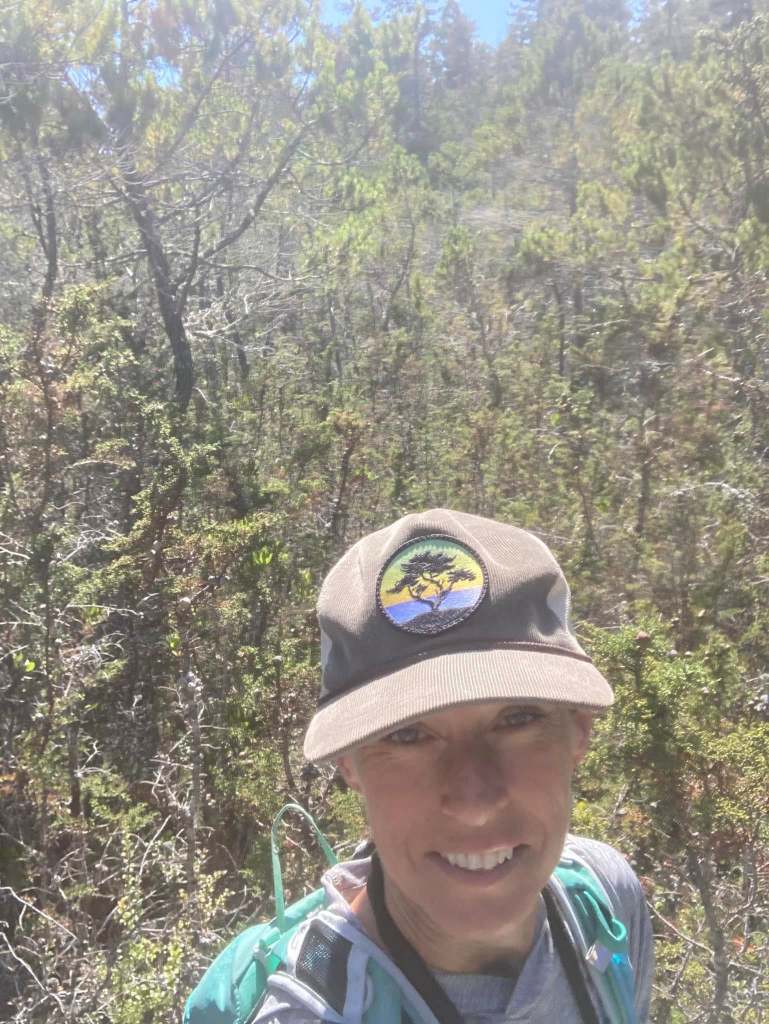
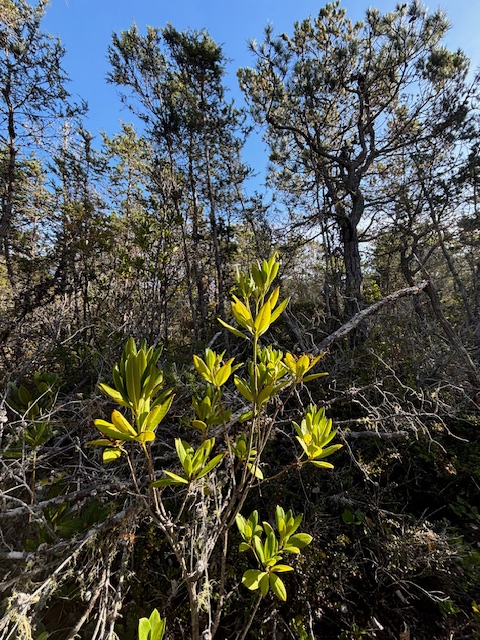
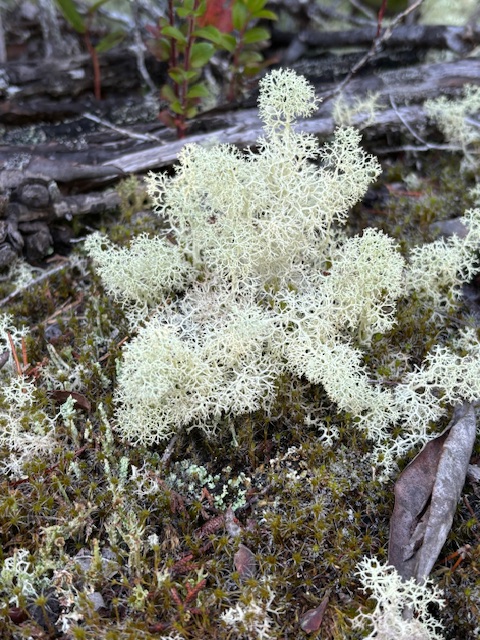
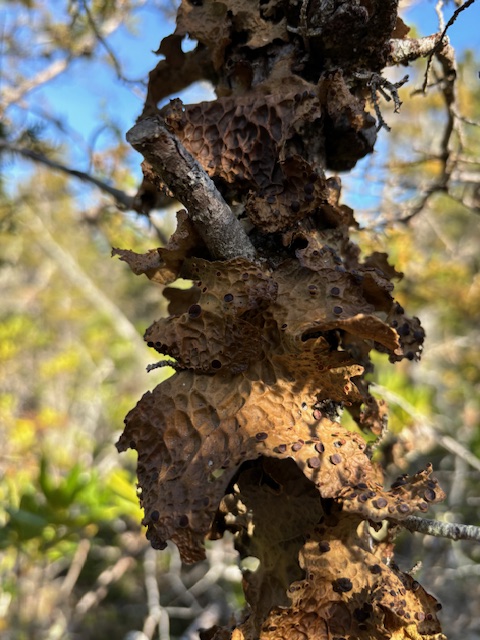
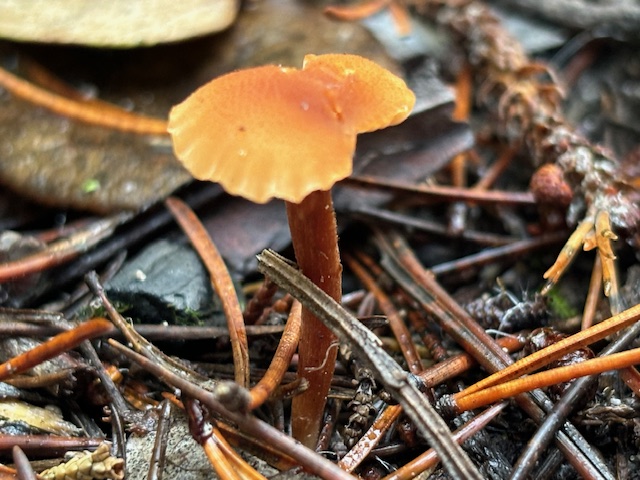
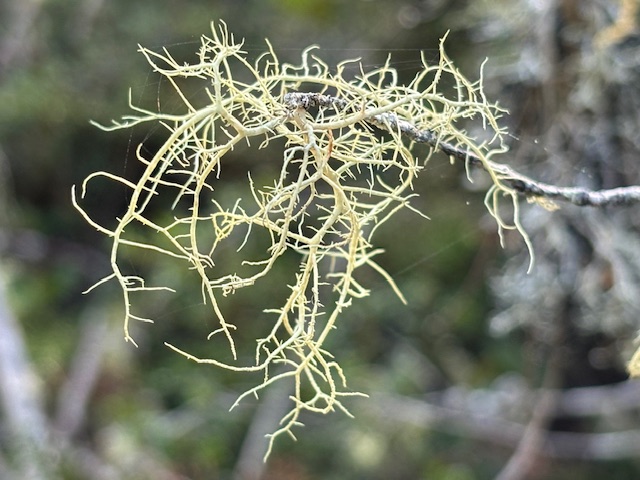
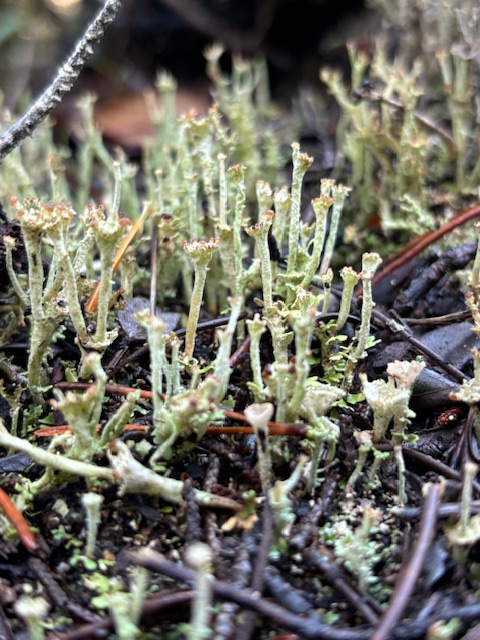
The persistently plateaued marine terrace landscape facilitates steady washing and leaching of thin top soils, which develops a subterranean hardpan underlying extremely acidic, nutrient-poor and saturated podsols. This geomorphic evolution in turn fosters an endemic ecosystem, known as the Pygmy Forest. Decomposing plant, fungal, and lichen matter from the forest further contributes to soil acidification (as well as nitrogen fixing properties), perpetuating the cycle of endemism and stability of the ecosystem.
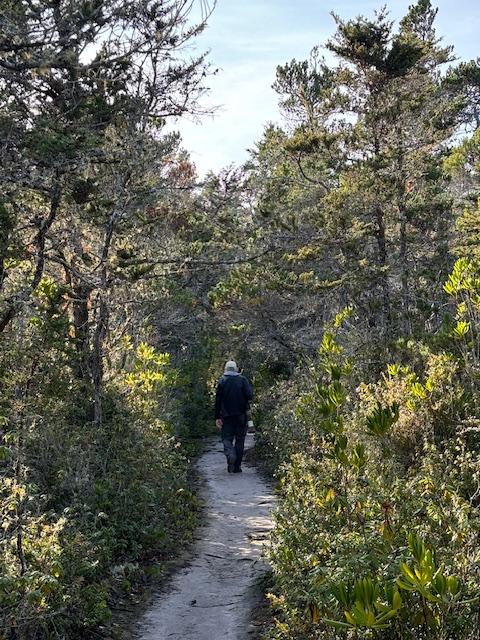
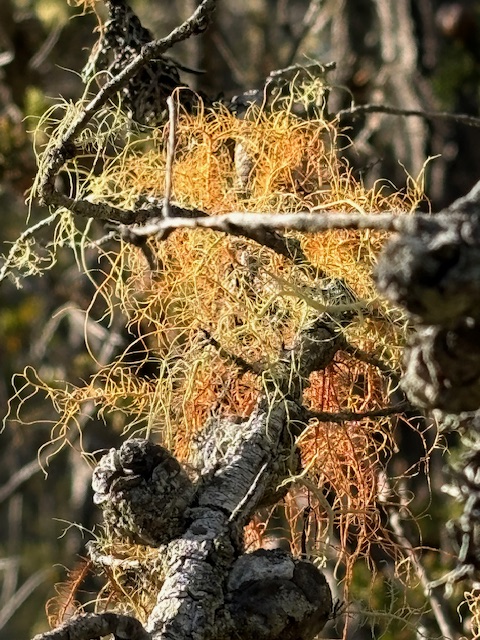
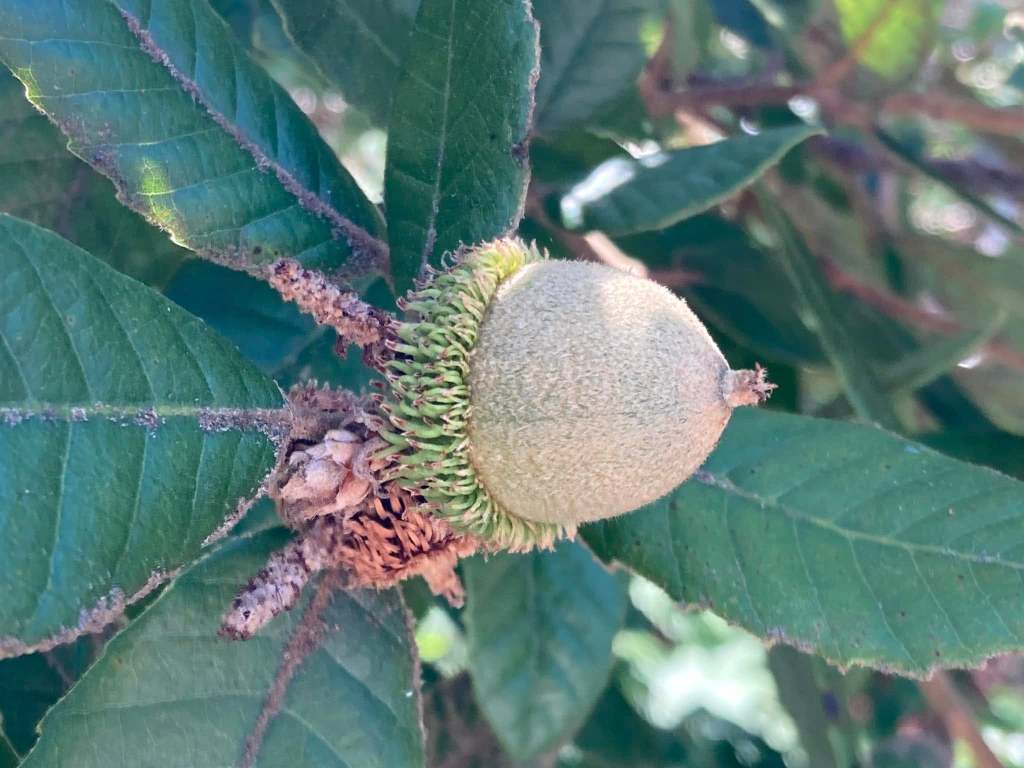
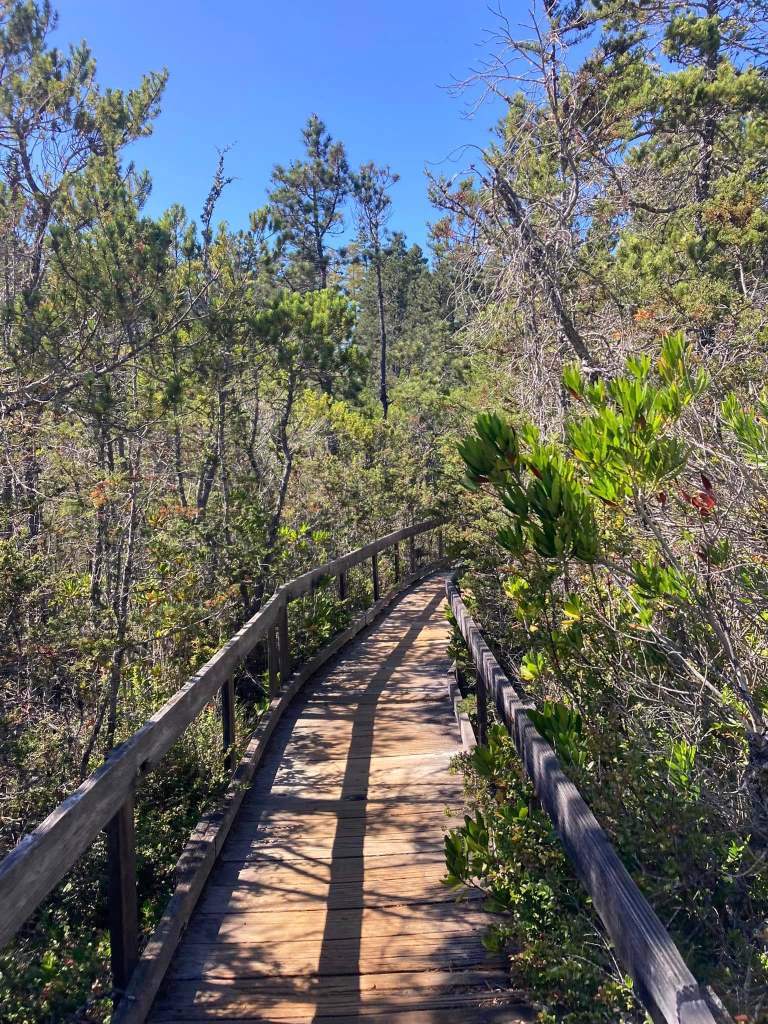
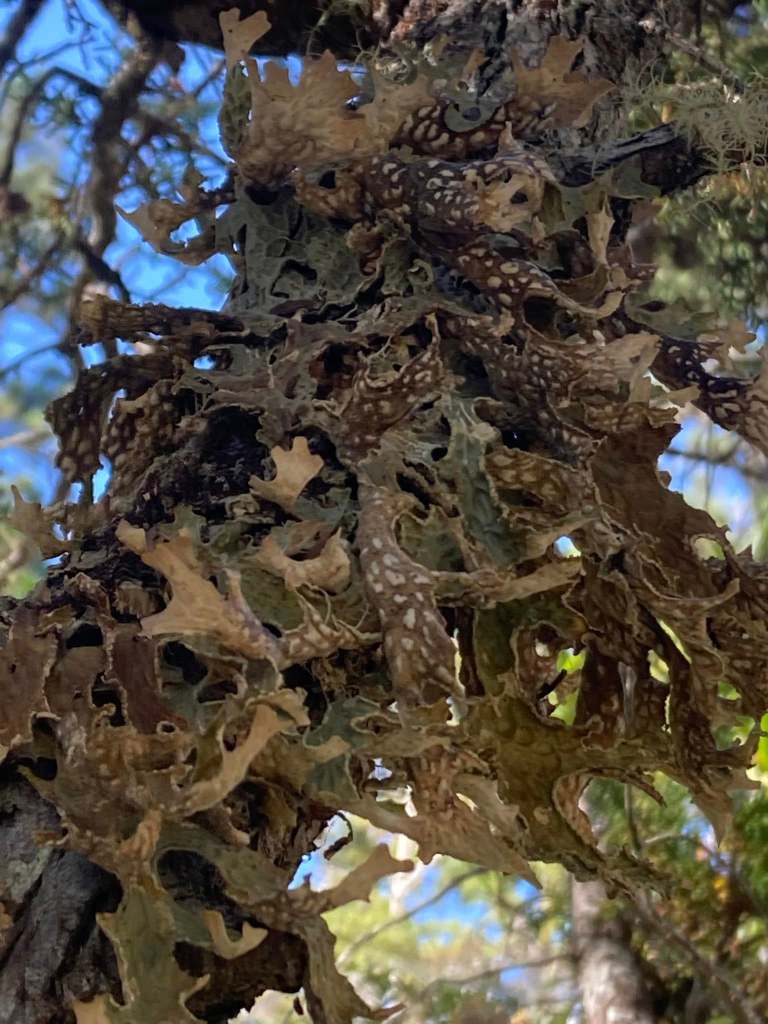
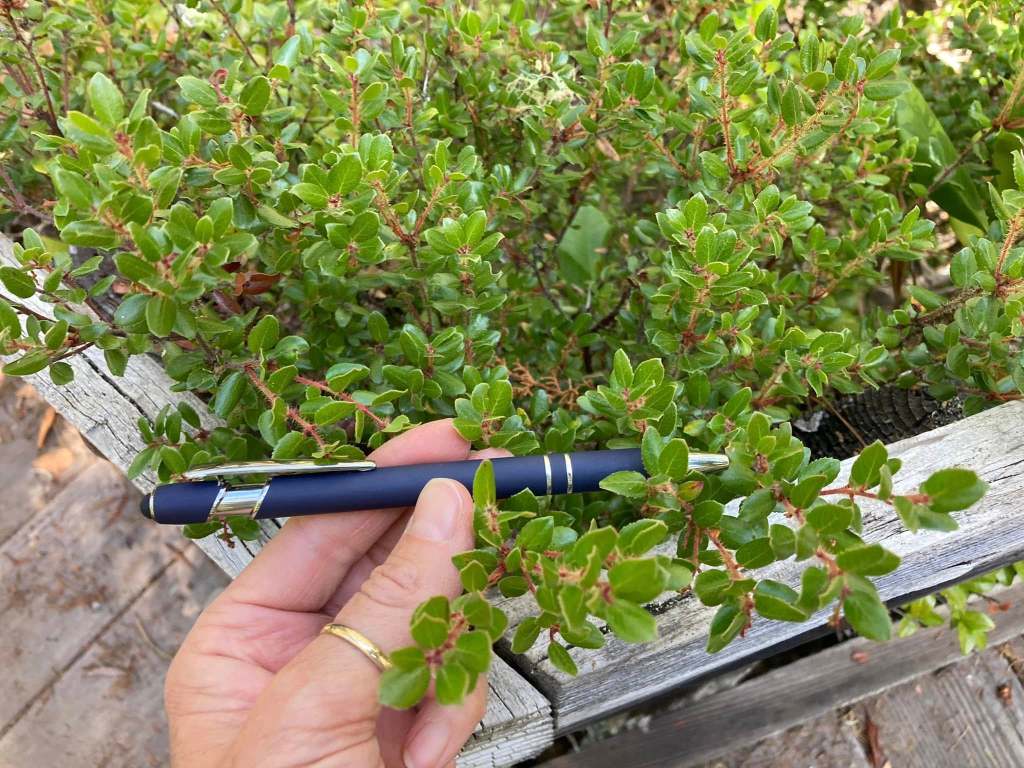
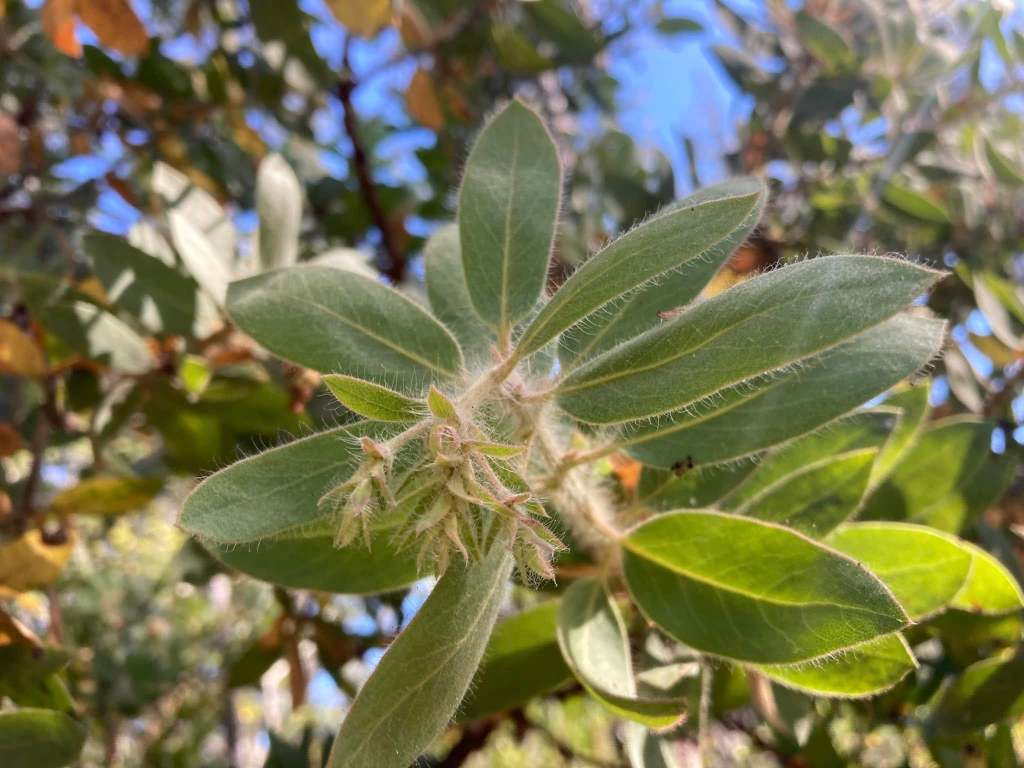
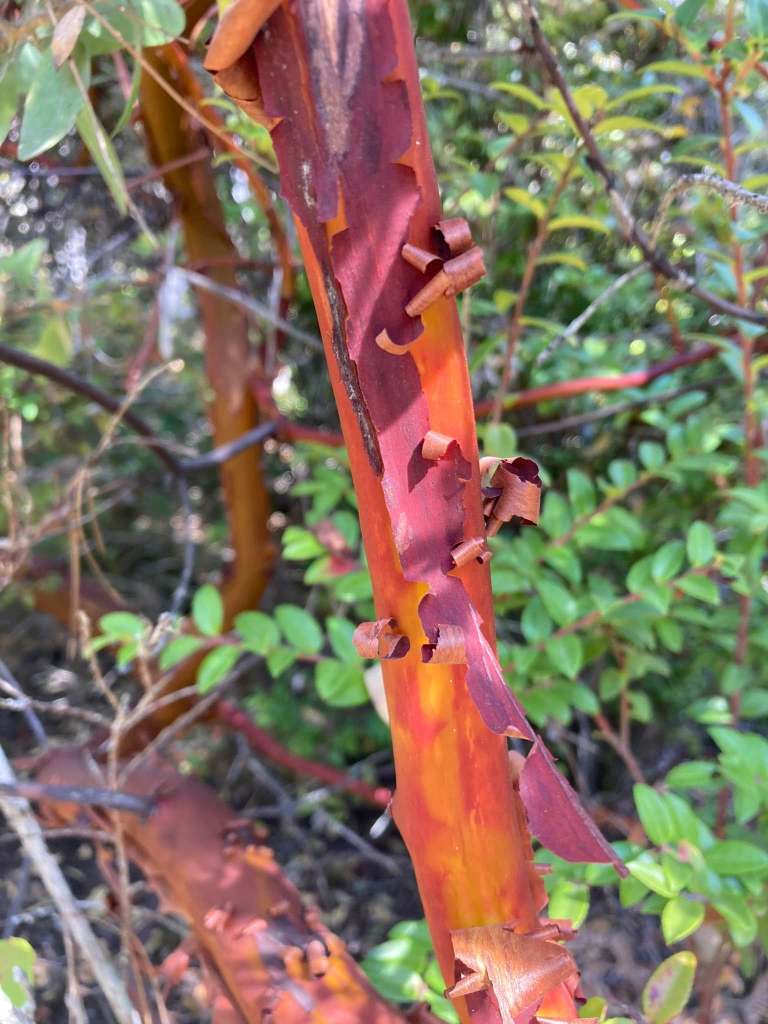
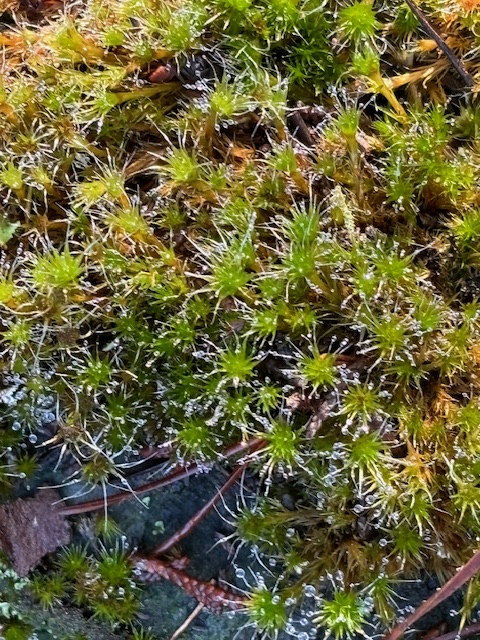
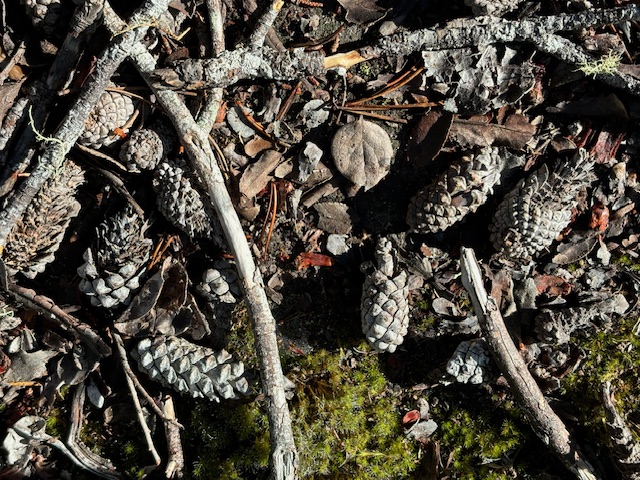
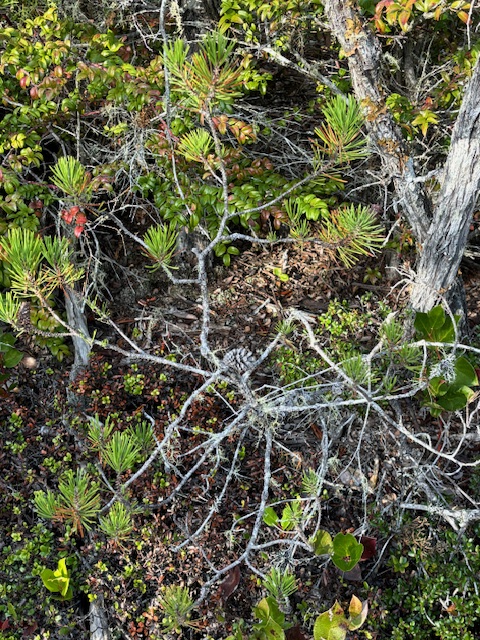
The distinct botanical assemblage of the Pygmy Forest in Mendocino County includes standouts such as the Pygmy/Mendocino Cypress (Hesperocyparis pygmaea); Pygmy Manzanita (Arctostaphylos nummularia ssp. mendocinoensis); Bolander’s Pine (Pinus contorta ssp. bolanderi); and a plethora of mosses and lichens, which also form fragile soil crust communities within the forest ecosystem.
